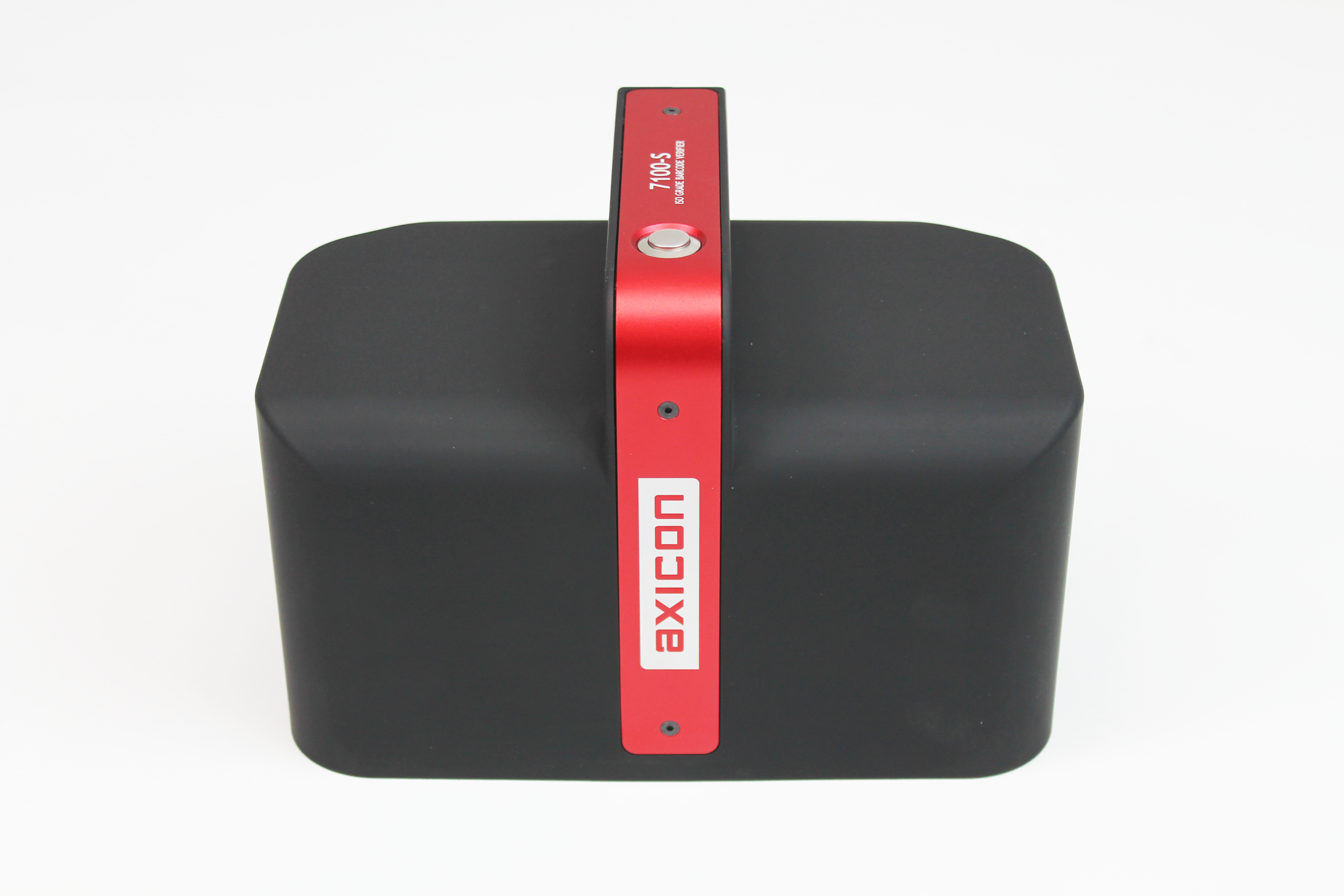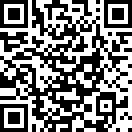

It is not unheard of for a barcode to fail to scan with a scanner, but it is rare when a verifier cannot decode a barcode. When the verifier fails, no verification report is generated. How do you determine what is the problem?
But first. Why can a verifier scan a barcode when a scanner cannot? Scanners are required to perform in compliance with an international standard (ISO). A verifier, on the other hand, pushes the boundaries of the print quality parameters as defined in the ISO standard, to determine what is causing the barcode to fail.
Scanner vs Verifier
Why can’t a scanner do this too? There are at least two reasons. One reason is that a verifier grades the barcode to the ISO Standard to predict how well a scanner should be able to successfully decode it. To do this, the verifier must be able to decode the barcode better than a scanner can. This comes at a cost. Aggressive scanning beyond the standard can cause the scanner (and verifier) to mis-decode the barcode to get a successful scan. It would be devastating for a scanner to do this in the field. Less so with a verifier since it does not capture data for a supply chain or some other function.

Flying Blind
But when the verifier cannot produce a verification report, how do you figure out what’s wrong? In the case of a 2D symbol such as a Data Matrix code or a QR Code, most often the problem is one of two possibilities. The first is called Fixed Pattern Damage in the ISO Standard.

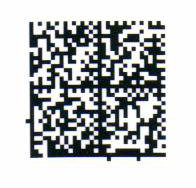
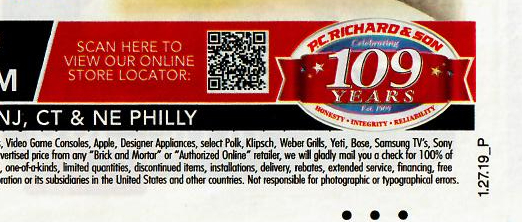 Fixed patterns are essential attributes of the barcode image. They do not encode data, they help orient the scanner to the symbol’s “compass” so it can correctly extract the stored data. The fixed pattern also includes the quiet zone that surrounds the 2D barcode. Look for problems with the three locator squares in the QR Code, or in the L track and clock track that frame a Data Matrix code. Also, look for encroachments into the quiet zone around the perimeter. It should be at least one element (black dot) wide.
Data Matrix and QR Codes can withstand a variable amount of damage, which is set when the design file is created. A small amount of damage to the symbol can cause it to fail if the error correction level is low. Although you cannot determine the error correction level visually, a small gash or line in the symbol can be detected with a low-power magnifier.
Higher levels of error correction can help to avoid decode failures, but it comes at a cost. Error correction utilizes data redundancy—it adds data to the barcode. If space is limited, the elements in the symbol must get smaller, which makes the barcode more sensitive to dimensional tolerances. Otherwise, greater error correction takes up more space. No free lunch.
Questions? Comments? You are welcome to contact us here.