Making sure a barcode is readable is important. Compliance with the applicable ISO standard for barcode print quality is one way to ensure readability. How the data is formatted in the barcode is another important factor. For example, barcodes used in automotive applications are formatted differently than barcodes in healthcare. There is a third aspect of barcode quality that is seldom discussed, and that is barcode type. Barcodes that are scanned by numerous users in different situations expect a standard barcode type. A supply chain is a good example: Let’s use tomatoes as an example. A carton of tomatoes is assigned a barcode when they are packaged. A pallet of tomato packages is marked with a barcoded label. That label will be scanned when the product leaves the packaging operation and It could also be scanned more times during its travels. It is scanned again when it arrives at the distribution center and scanned out when it leaves for its retail point-of-sale destination. It will be scanned into the retail store and of course, the sale units are scanned at point-of-sale.
What Barcode Type to Use is an Agreement Between Trading Partners
At every step of its journey, a specific barcode type is expected. In a food supply chain, the expected barcode type is UPC (aka GTIN). Anything other than a UPC probably will not scan.
Airline boarding passes are another example. The International Air Transport Association authorizes three barcode types for boarding passes: Aztec Code, Datamatrix Code or QR Code. Use of any other type of barcode will not scan in the IATA system.
Barcode Types support Special Requirements
The security of these systems relies in part on barcode types. The scanning system is programmed to decode only the accepted barcode types. Excluded barcode types will not scan, and that flags a mistake or an intruder. The problem with a non-scanning barcode is that it does not provide even the most basic information about the barcode—what type of barcode it is. Therefore, it makes sense to be able to identify the barcode type visually. Here is how to do that.
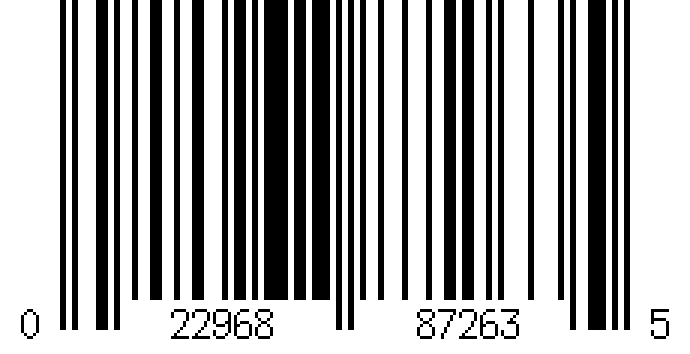
UPC/EAN is simple to identify visually. All begin with a pair of narrow bars with a narrow space between them. The full 13-digit version also has an identical pair of narrow bars at the end.
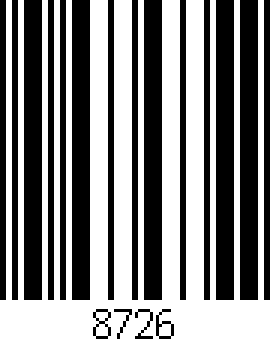
ITF is identifiable by its start and stop bar-space pattern. This barcode type starts with a pair of narrow bars with an equally narrow space between them, and at the stop, a wide and narrow bar with a narrow space between them.
ITF-14 should also have a long dark horizontal bar above and below the bar/space pattern,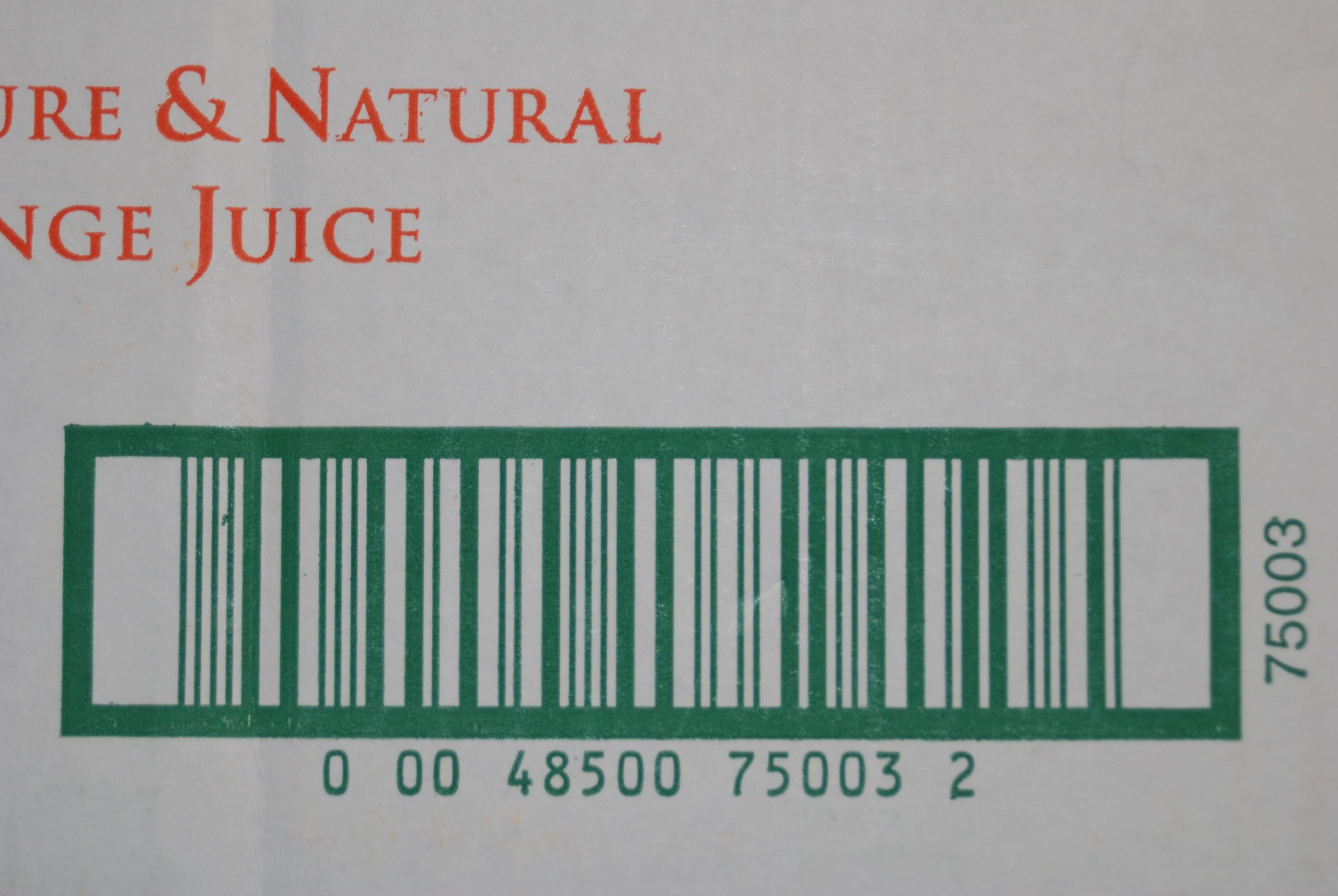
and in many usages has a full-surrounding bearer bar frame.

Code 39 is identifiable by a start pattern of narrow (N) and wide (W) bars as follows: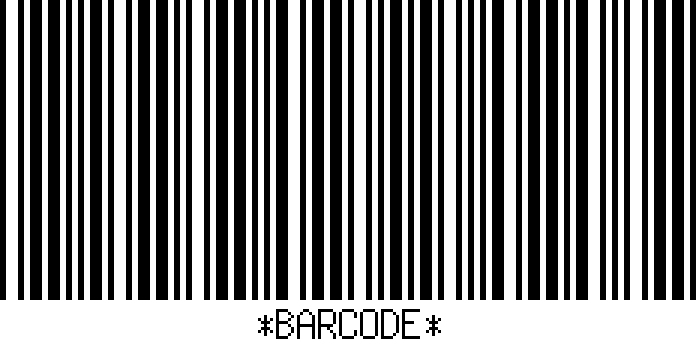 NNWWN
NNWWN
If you look closely, you will see the same pattern at the end of a Code 39 barcode.
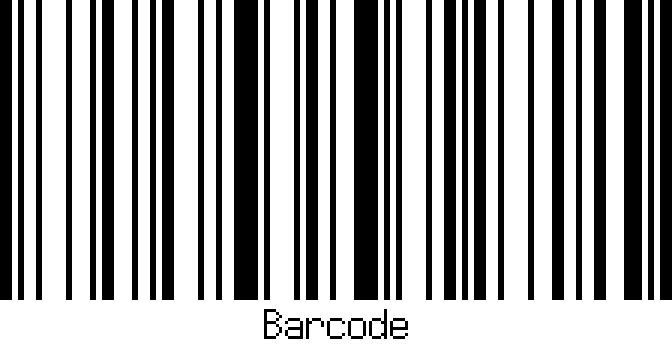 GS1-128 is a bit more complicated. Code 128 has three possible character sets, each of which encode data differently. But all three character sets share a common stop character pattern: two wide bars flanking a narrow space-bar-space pattern.
(See GS1 General Specification Release 21.0.1 page 298.)
GS1-128 is a GS1 barcode type. Non-GS1 versions of Code 128 are in use in closed-loop systems, and may not have the same identifiable bar/space characteristics.
Datamatrix Code always has an L track consisting of a solid dark line of two adjacent sides, and a clock track of alternating light-dark elements on the opposite adjacent sides.
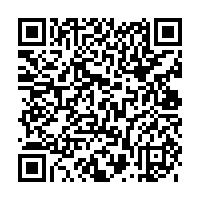
QR Code utilizes a finder pattern consisting of a dark square within a dark frame in three corners. A similar, smaller alignment pattern is often located inboard of the fourth corner.
Scanning systems security often involves limiting the types of barcodes it will accept. When a barcode fails to scan, it can be difficult to determine the cause. Visual identification of a barcode type can simplify this.
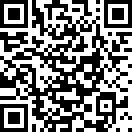
Did you identify the cover barcode type? It’s an Aztec code, easily identified by its center location target.
 Comments and questions are welcome. Contact us here.