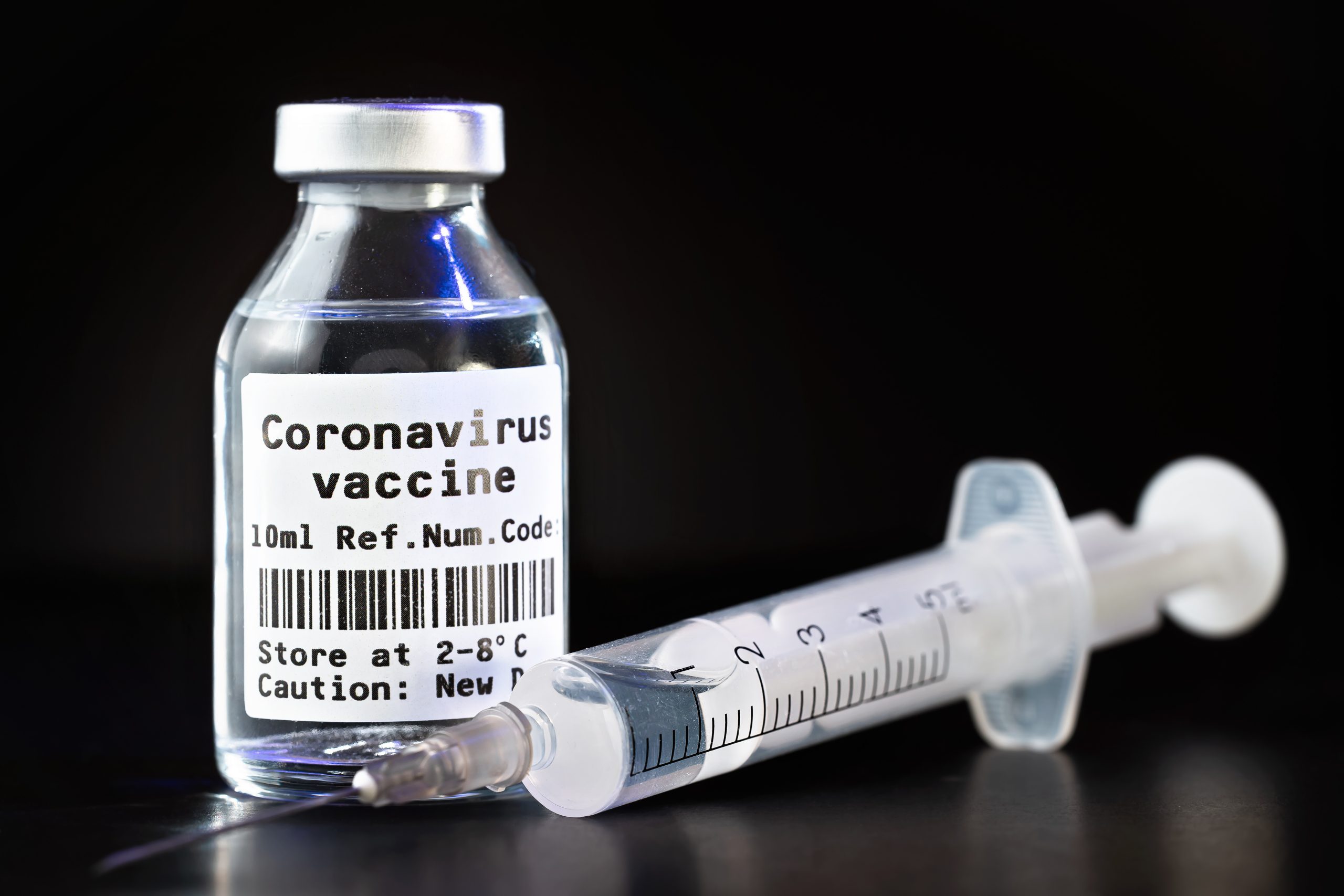
Our barcode test lab recommends that clients send us actual barcode samples in their final form. We would get labels, packages, subassemblies, component parts of machines and devices, aluminum soda cans, surgical devices, medical supplies—even the occasional bottle of wine or distilled spirits. We did this because the best way to anticipate whether or not a barcode will work properly is to see the same barcode that the scanner will see. This has not changed. And don’t forget, barcode verification is a predictor of barcode performance—it is not a guarantee.
Clients have often asked if they can send us email attachments of their barcode images for us to test, which makes a lot of sense from everyone’s perspective: it is quicker and less expensive than sending actual samples, and we don’t have to securely archive, destroy or send the samples back.
In the earlier days of barcoding, when barcode quality equated primarily to print quality, verification from email attachments was ill advised. Every step in the emailing process, from capturing the image to transmitting it, and then re-creating the image at the recipient influences the quality of the barcode. Thanks to the adoption of barcode technology into a vast array of industries, the structure of the data encoded in barcodes has become much more complicated. Standards have been published for barcodes in healthcare, blood banking, coupons, military and many other supply chains. This has expanded the scope of what encompasses barcode quality beyond just the quality of the printed image.

This evolution has made verifying of PDF and JPG barcodes files much more feasible. Our lab is doing more and more verification of email attached files; we expect to see this trend continue for the foreseeable future. It is a great way to quickly test a client’s barcodes for compliance to any number of industry applications. Much is gained by use of this great technology.
It is important, however, to not lose sight of what is also lost by being unable to accurately test print quality. A verifier will test and grade the print quality of a PDF or JPG image. But that image is
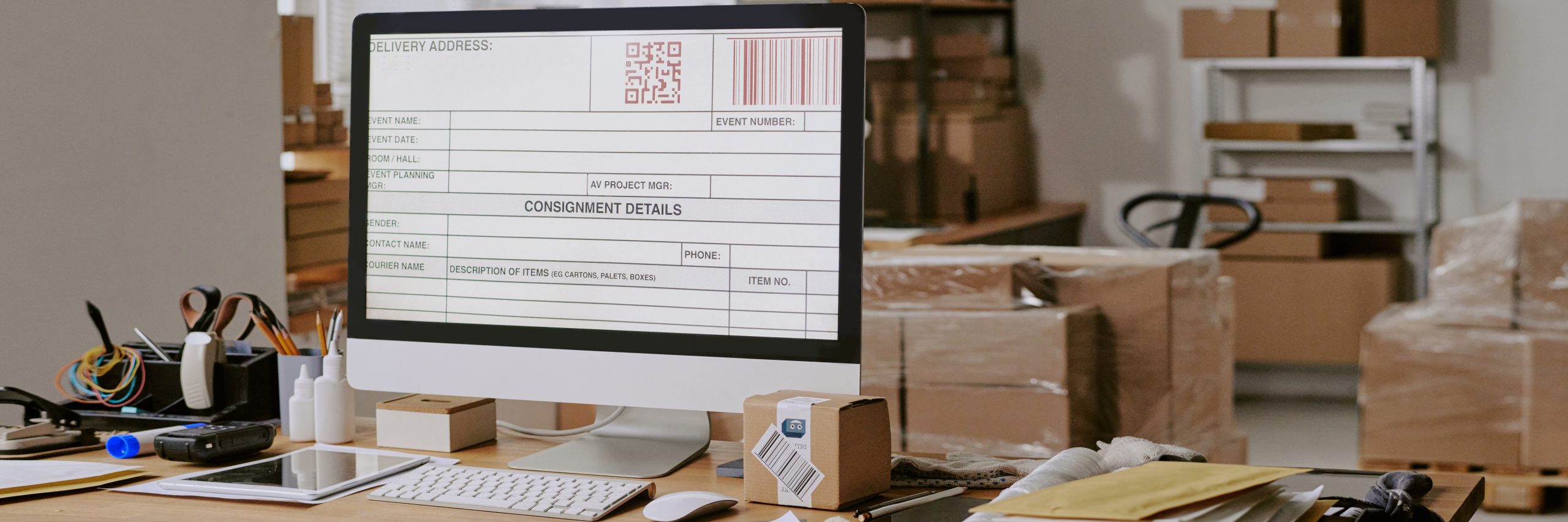
the result of the output from the client’s printer and the intermediate electronic scanner capture and computer transmission of that file which is then output from any one of our lab printers. All of these steps are what result in the verification report. While the accuracy of the verifier testing of data structure can be relied upon with considerable confidence, everything else is suspect.
Verifying PDF and JPG barcodes files does confirm some very important barcode quality criteria. But in the whole view of barcode quality, a lot of equally important criteria are ignored. While this is not a deal breaker, it is something of which to be aware. From the standpoint of scanning success, barcode data structure is a pass/fail attribute. All scanners regardless of type will detect barcode structure the same way, but not all scanners will accommodate marginal print quality equally.