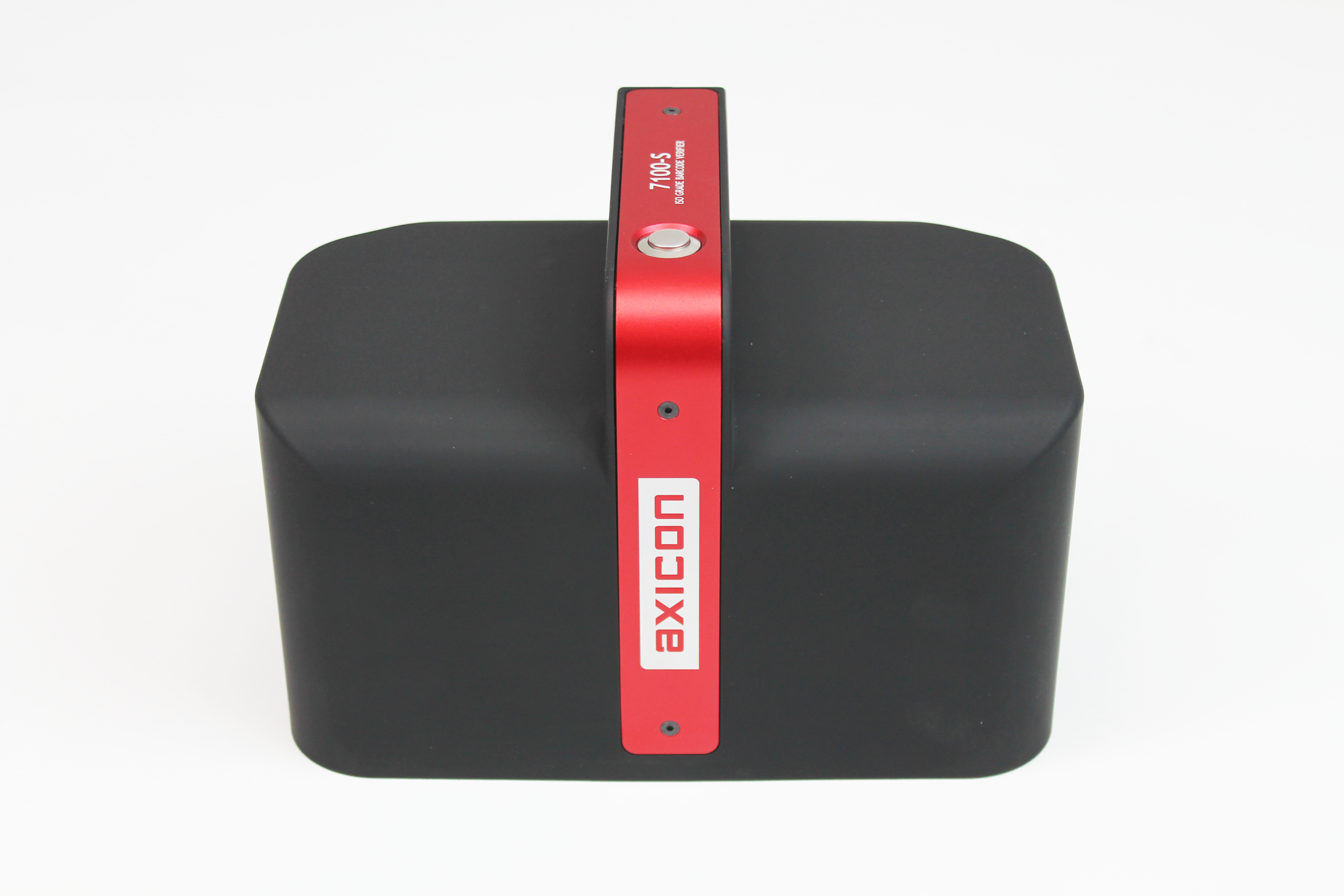
Barcode uses are so diverse, so rapidly evolving, it is not useful to talk about the future of barcoding as a whole. This article focuses on the future of barcoding just from a retail perspective, which has been the subject of much speculation almost from the beginning. Such speculation started with predictions that RFID will replace barcodes; then vision systems. Behind the hyperbole are real deficiencies with barcode technology, real improvements that are needed. What are those improvements and what does the future of barcoding look like from a retail perspective?
Problem 1: Limited barcode data capacity
If barcode is to have any future at all in retail, it must overcome two problems. First is the limited data capacity of existing barcodes. Thirteen bytes in a UPS/EAN just isn’t enough data for current grocery systems that need to manage batch, lot, sell-by dates, source and myriad other data that are essential to product safety and security.

Problem 2: Redundant packaging handling because of barcode scanning
Second is the ergonomic challenges created by line-of-sight scanning. Packaging configurations are so non-standard, it is nearly impossible for a checker to correctly anticipate where the barcode is on the package, which slows down checkout. A worse problem is all the redundant handling—a product is handled no fewer than four times before it leaves the store:
–from shelf into cart
–from cart onto checkout conveyor
–from conveyor across scanner
–then into the bag
…and then once more as bagged merchandise back into the cart, out to the car, into the trunk and home to handle it all once again.
The problem with the RFID solution is not just the cost of the tag. RFID could eliminate these in-store redundancies if the radio signals could be adequately controlled at close range. They cannot.
Solution: Speeding up the Checkout or eliminating it?
Other technologies have focused on improving the efficiency of the checkout. The Digimarc solution is the most viable and promising, populating all facets of the package with an invisible barcode that eliminates the ambiguity of where the barcodes is located, thus reducing scanning time but not the redundant handling.
The solution at the new Cosmopolitan Marketplace concept is Datalogic JADE X7 tunnels. A vision system completely surrounds the products as they proceed down a very long conveyor. A redundant counter-mount scanner resides at the end of the belt, presumably for items that fail to scan in the tunnel, and a hand-held gun scanner is also there for items too big for the tunnel. It is glitzy and impressive looking, at least twice the size of a conventional retail frontline—and it doesn’t work all that well. This is not the future of retail scanning.
With all of its evolutionary deficiencies, let’s not forget about what barcoding has done to improve retail, not to minimize the problems, but to reinforce the importance of the solution. We should not lose focus on the original problem and what has been a very good solution for many years. The future of barcoding from a retail perspective is greater data capacity and less (or no) redundant package handling.