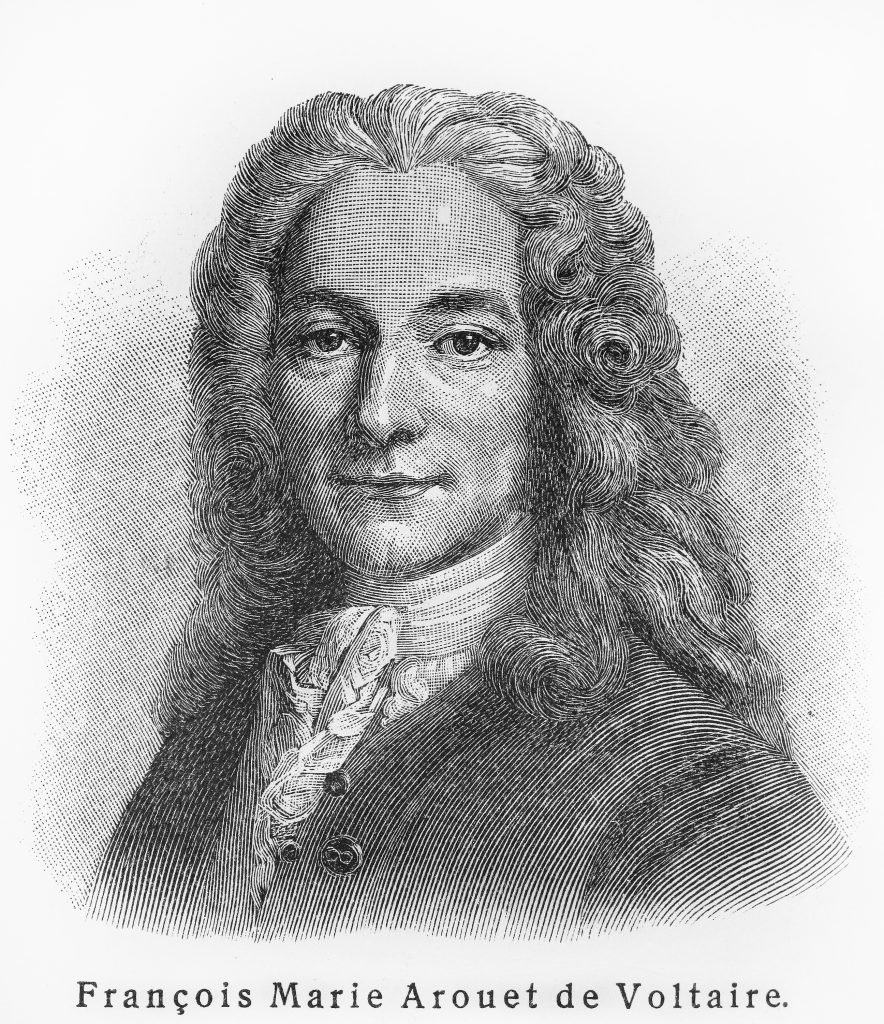

Voltaire is credited with having said that perfection is the enemy of good. That’s hard for many of us to hear, but perfection is usually unnecessary, time-consuming, and prohibitively expensive. Customers may want it but won’t pay for it—and don’t really need it. How is perfect defined? Is it measurable or emotional? What do customers really want?
Attain and maintain
Almost always, what customers really want is consistency. Demonstrably, measurably good enough and affordable are what most customers in most industries really want. Perfect is an outlier. But how do you achieve consistency and then keep your process at that level? You need some kind of eyeballs.
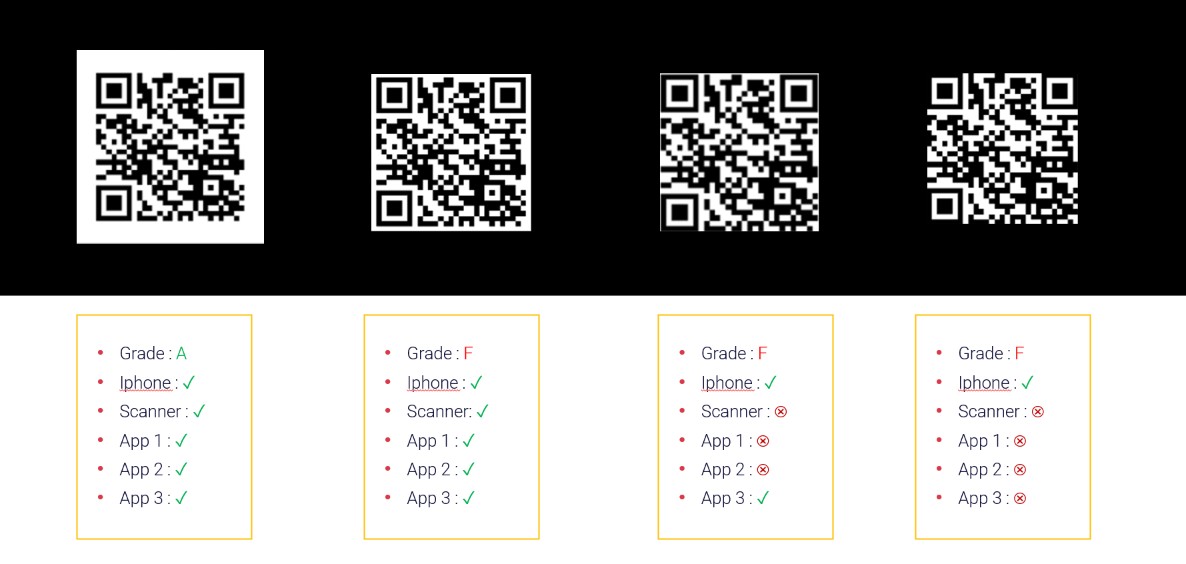
In barcode quality, you need a verifier, a standards-based device that measures and grades a barcode against a standard of quality. Yes, two different but related standards. The verification device itself is built to conform to a set of standards that define how it must perform as a test device. It has an acceptable tolerance, a margin of error. It is not perfect—it is consistent. The test results produced by a verifier conform to a different standard that evaluates the level of quality in the barcode. The achieved level of quality is graded on a scale, from unacceptable (F) to very good (A) and everything in between. Yes, another expression of tolerance. But here’s the most important consideration: the verifier provides insight into levels of quality. With this insight, you can find a level where, with your equipment, materials, people and processes, you can achieve consistency. The verifier is what makes this possible.
Consistency is Control
You can buy a verifier and employ someone to run it. Or you can get the same insights from a testing service. Your decision. Either way, what you get is insight and consistency. That’s the main ingredient in success.
Map or Compass?
Here’s another analogy. A map doesn’t tell you where you are—you have to know that. But it does tell you how to get to somewhere else. A compass tells you how to get there.
A barcode verifier does both. It tells you the current state of your barcode quality and compliance goals. For years, you may have believed your barcodes were very good—after all, you’ve never had a problem; no customer has ever complained. You’ve never been off the cliff, but now you know how close you’ve come. A verifier tells you where you actually are and reveals things you couldn’t see before. With that new knowledge, you can plot a course to where you need to be. The verifier also tells you how to get there, and charts your progress along the way. And you’ll know when you have arrived.
Not perfect: consistent. Repeatable. Risk free. Affordable.
 Questions? Comments? Contact us here.