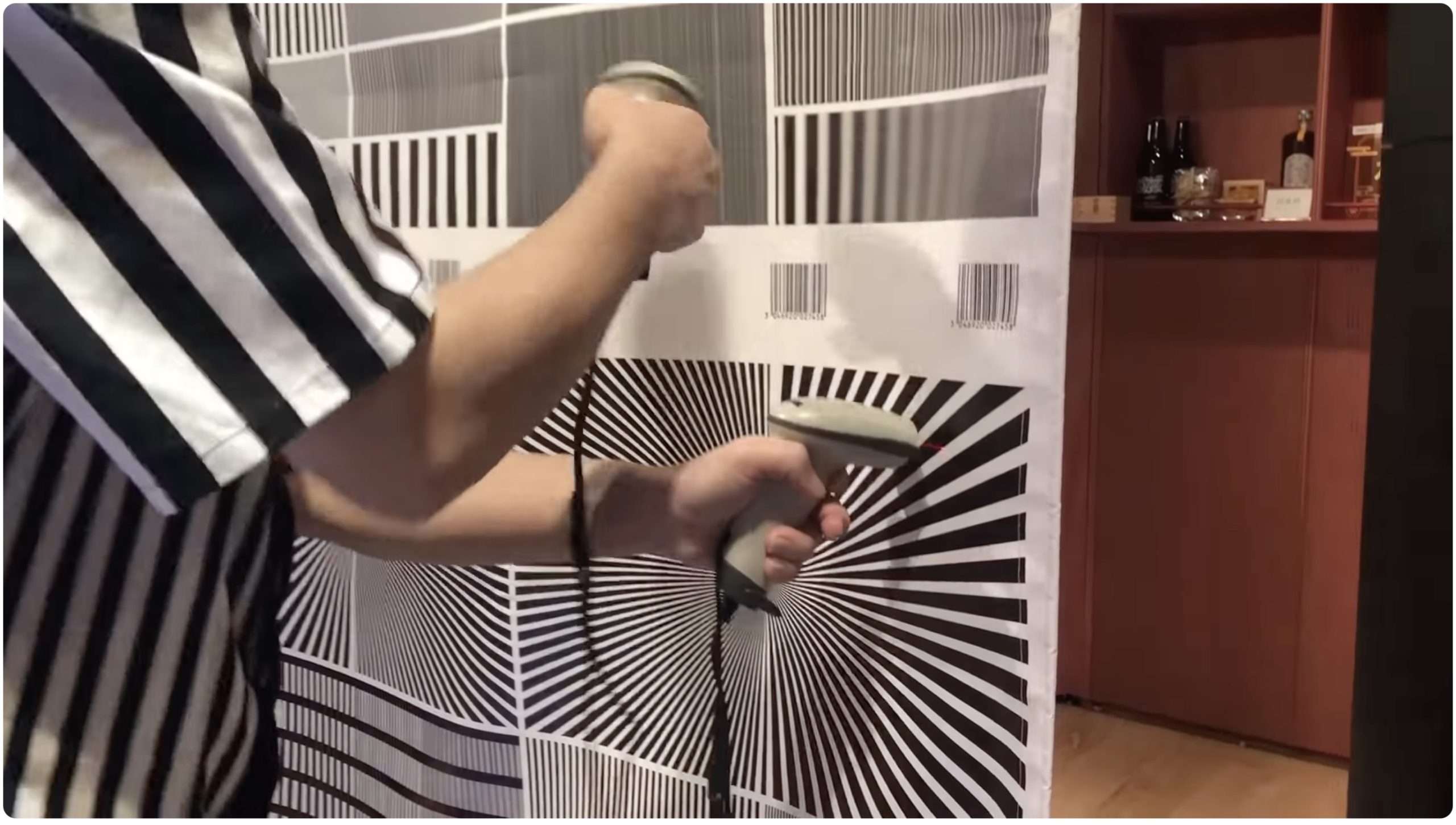

Two different, equally-important factors define barcode quality:
- Print quality
- Data structure
ISO Standards define print quality. For linear barcodes (parallel lines and spaces) it is ISO 15416. ISO 15415 addresses matrix or 2D barcodes. Each standard contains graded or pass/fail attributes that affect the legibility (scan-ability) of the barcode by a scanner.
Industry applications define barcode structure. Healthcare, automotive and aerospace barcodes use different data fields and prefixes.
A perfectly printed barcode with data structure errors will fail because the scanning system cannot interpret the captured data. Likewise, a poorly printed, but correctly structured barcode will also fail to scan.

Process Considerations: Pre-press
Upstream pre-print processes can make or break print quality and data structure. Software controls digital printing, including hybrid wet ink press with a digital head, and desktop thermal label printer. That software contains the critical barcode data and the data that controls dimensional aspects of the barcode image.
The physical act of applying pigment to a substrate often causes that image to spread. Porosity of the substrate in one reason. Impression roller is another. Sprayed pigment from ink jets is sensitive to nozzle pressure, distance from nozzle to substrate, viscosity of the ink, chemical contents of the ink and how it reacts to the substrate, and transport speed of the print process.

Spreading of the barcode image is called gain. Design software contains a setting that compensates for gain, called bar width reduction, expressed in micrometers or thousandths of an inch. Other systems increment in pixels. It is important to apply bar width reduction appropriately for the print system. The best way to determine correct bar width reduction is empirically. Print and measure a dot or line of known width. Compensate the design file for gain.
Printing
Document all variables to replicate results on future print results. Variables include:
- Substrate type and source
- Pigment type and source
- Printer settings including pressures and speeds
- Post-production coatings and laminates
Data Control

Match barcode design files to the printer. If the printer is a vendor/contractor, the brand owner/customer may provide the barcode design file. Control over data and security drive this. Customer provided design files may neglect critical adjustments, like bar width reduction. Good communication between the printer and customer prevent this error opportunity.
This CAPA overview is based on the US Food and Drug Administration Corrective and Preventive Actions (CAPA) 03/28/2023 820.20 from Management Responsibility document.
This article addresses step 1, defining and documenting CAPA system procedures for the requirements for regulation of the quality system.
Next, we will examine in more detail the sources of product and quality problems.

Comments and questions are welcome. Contact us here.