

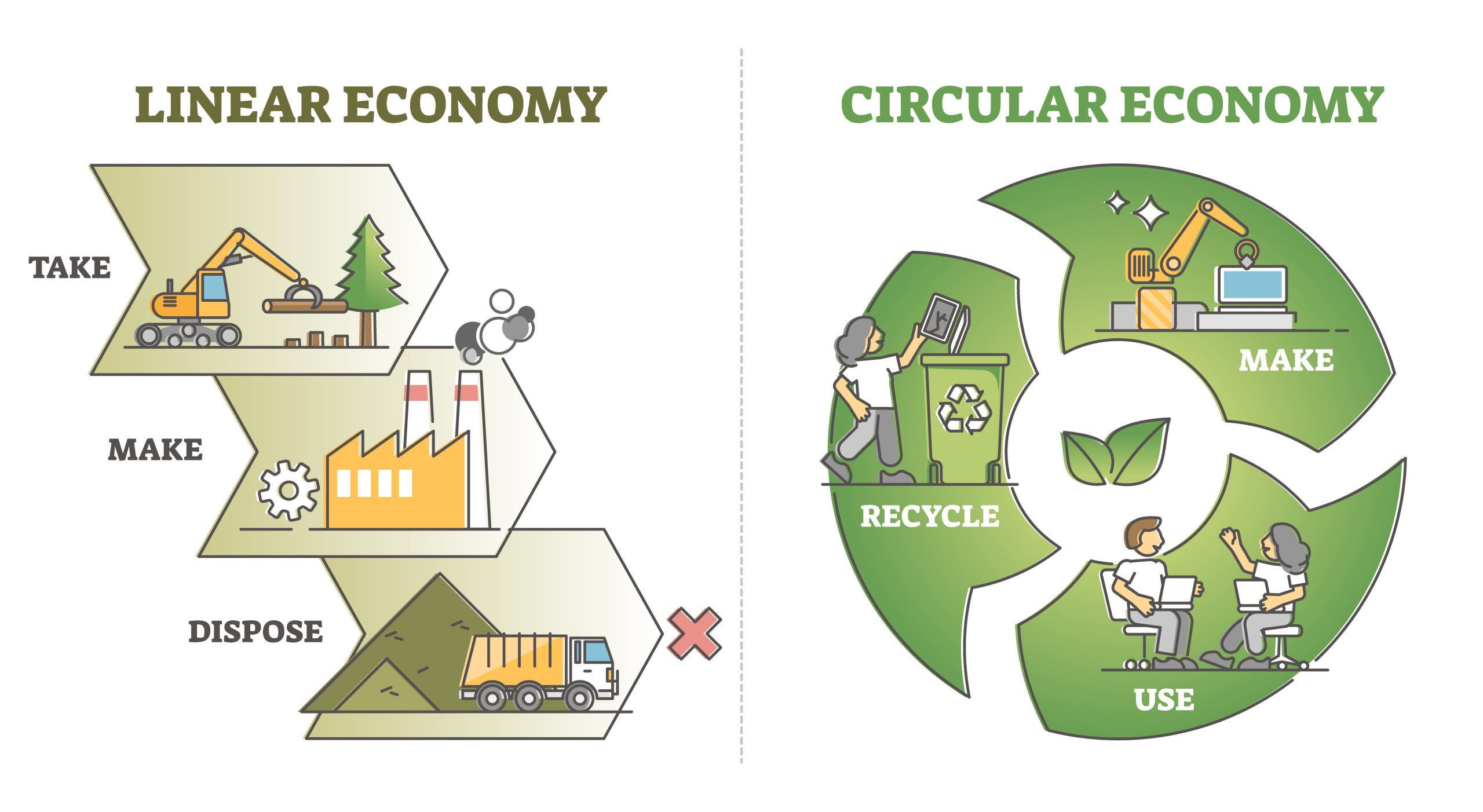
What is the circular economy?
The circular economy is based on efficiently using resources and minimizing waste. The circular economy emphasizes keeping products, materials and resources viable as long as possible.
Waste and pollution are not an inevitable outcome. Waste and pollution can be minimized and even designed out of many products by making them more durable, reusable and more recyclable.
Non-disposable products last longer. Extending the life cycle minimizes waste. Durable products built from compostable materials can restore and regenerate natural systems, returning nutrients to the soil and eliminating greenhouse gases into the atmosphere.
Throwing Away
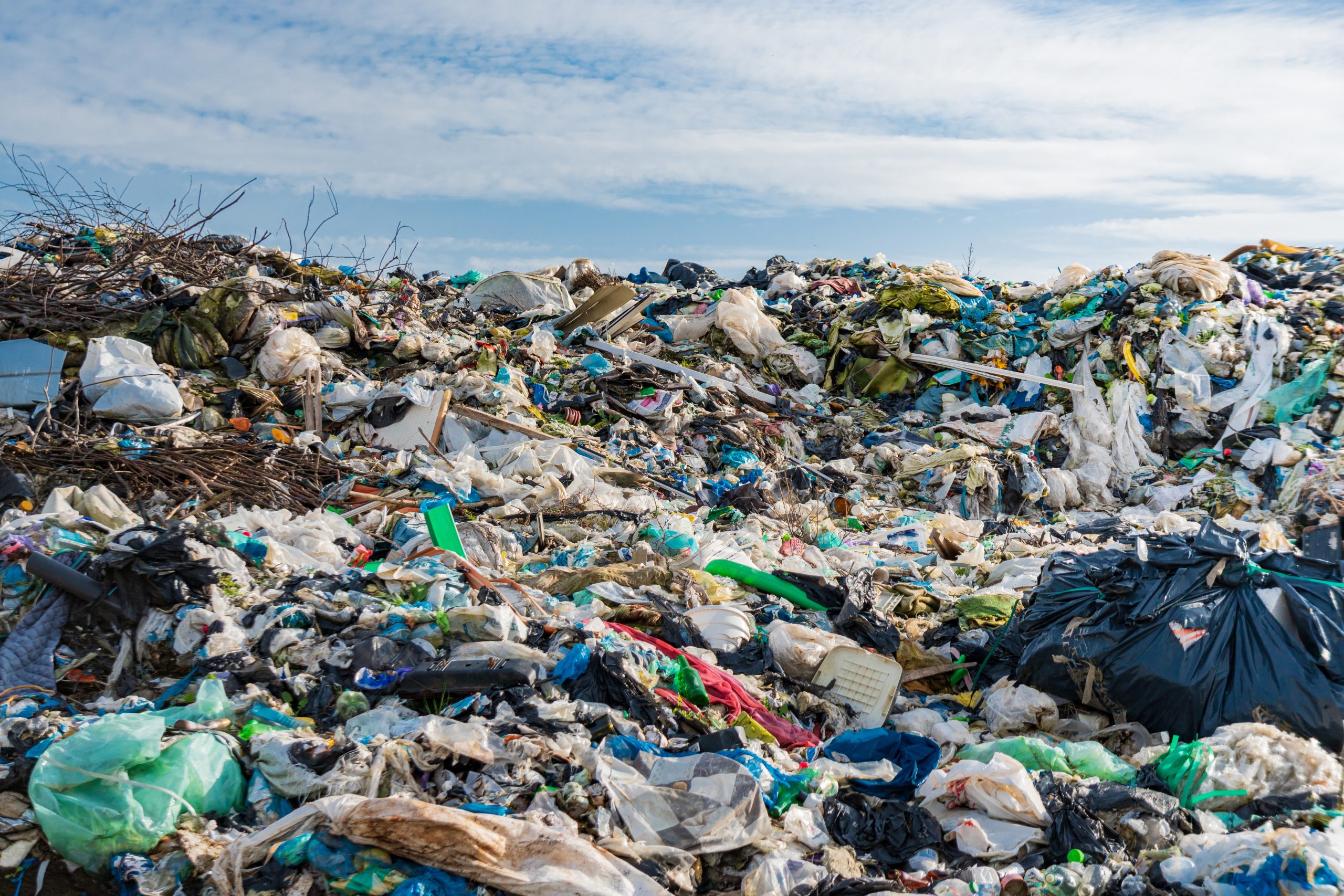 The linear economic model pretends to be an open-loop system, based on take, make and throw away. Since everything comes from planet Earth, there is no “away”.
Barcodes play an important role in the circular economy:
- Information about the composition of products and their packaging can be included in the barcode. This information is critical to efficient recycling. This is one reason why the UPC symbol, which has limited data capacity, is being replaced by QR Code.
- Sustainability is an important component of the Circular Economy. Supply chain visibility is critical to sustainability, and is only possible with barcodes and RFID.
- Waste reduction is another important attribute of the circular economy. Barcodes make it possible to track products through their lifecycle, identifying opportunities for reuse, repair, and refurbishment, which minimizes waste and maximizes resource efficiency.
Barcodes in the Circular Economy
 Here are some examples of the successful use of barcodes in the circular economy:
- By scanning the barcodes on the products at H&M, customers can access product source materials, origin, and recycling options. Barcodes help consumers make informed buying decisions, and not just in a clothing store. Barcodes on grocery items include nutritional, allergy, recipes, use-by date, and other useful information.
- IKEA is deeply dependent upon the barcodes on its products and subassemblies to meet its goal of becoming a fully circular business by 2030. Barcodes make it possible for them to track products from production to end-of-life, to ensure that materials can be reused or recycled properly and efficiently.
- Waste management and recycling facilities use barcodes on incoming materials to identify material composition, enabling them to efficiently and accurately sort and compile materials.
- Polymer-infused barcodes are an important way to make barcodes robust enough to survive and extend the lifecycle of waste containers, pallets, lawnmowers, kayaks, automotive parts, industrial containers, and medical devices that require chemical or high-temperature sterilization.
A sustainable future relies more than ever on barcodes, and they must work right.
 Got a barcode problem or question? We can help.


