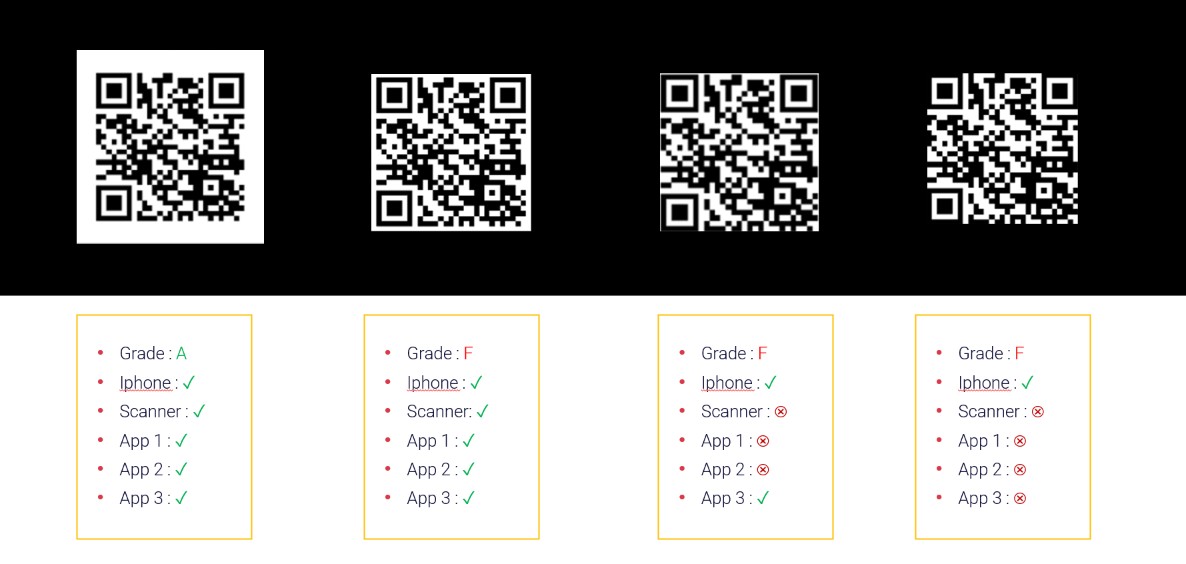
Making sure your barcodes work properly is never a bad idea. Bad barcodes can cause significant damage in scope and depth. A bad barcode can damage the printer and packager far beyond the cost of relabeling. The collateral damage extends to reputation and loss of future business. The ultimate injury may be losing FDA approval: fixing the problem may be quick, but regaining approval takes time. Lots of time.
FDA issued a Class 1 recall in April 2026. Although Class 1 is the highest-risk class of FDA recalls, the root cause was label detection, not a bad barcode, like a situation we encountered several years ago when a barcode we verified apparently failed to scan. The problem was misapplied labels and, in some cases, missing labels. Not an FDA withdrawal or suspension. A quick fix—but FDA’s internal target is to close a recall in 3 months or less. Due to understaffing, FDA has missed that target every year since 2020.
Barcode-Related Damage
What’s that got to do with barcode quality? Admittedly very little, but it’s attention-arresting. The best-case scenario for a perfectly good barcode on a misapplied label is that it takes the product off the shelf for at least 3 months. If you’re the packager, that contract you fought hard to win and adjusted your production planning to accommodate has suddenly been put on hold for at least three months. Inconvenient? It could be much worse.

Enforcement or Recall?
An FDA withdrawal or suspension is a different animal entirely. This is enforcement, not recall. The timeline for getting the product back on the market depends on the product type and is basically the same for a new, previously unregistered product. Moderate-risk products average around 160 days. Class III devices like implants and life-sustaining equipment are now averaging 599 days, substantially longer than about 400 days in 2025.

Bad barcodes also create a risk in automotive manufacturing, but not in the same way as in healthcare. Barcodes must comply with IATF 16949, as well as AIAG B-10, but the focus is on traceability, not the specific part. Bad barcodes don’t cause a safety recall: they break the traceability chain, and THAT triggers a recall. The NHTSA or an OEM like Ford or General Motors will issue a recall because of a defective part. A good barcode marking a recalled part makes the recall more targeted and less expensive. Unreadable barcodes make recalls broader and more expensive because they break the traceability chain, and nobody can prove which units have the bad part.
Identify or Trace?
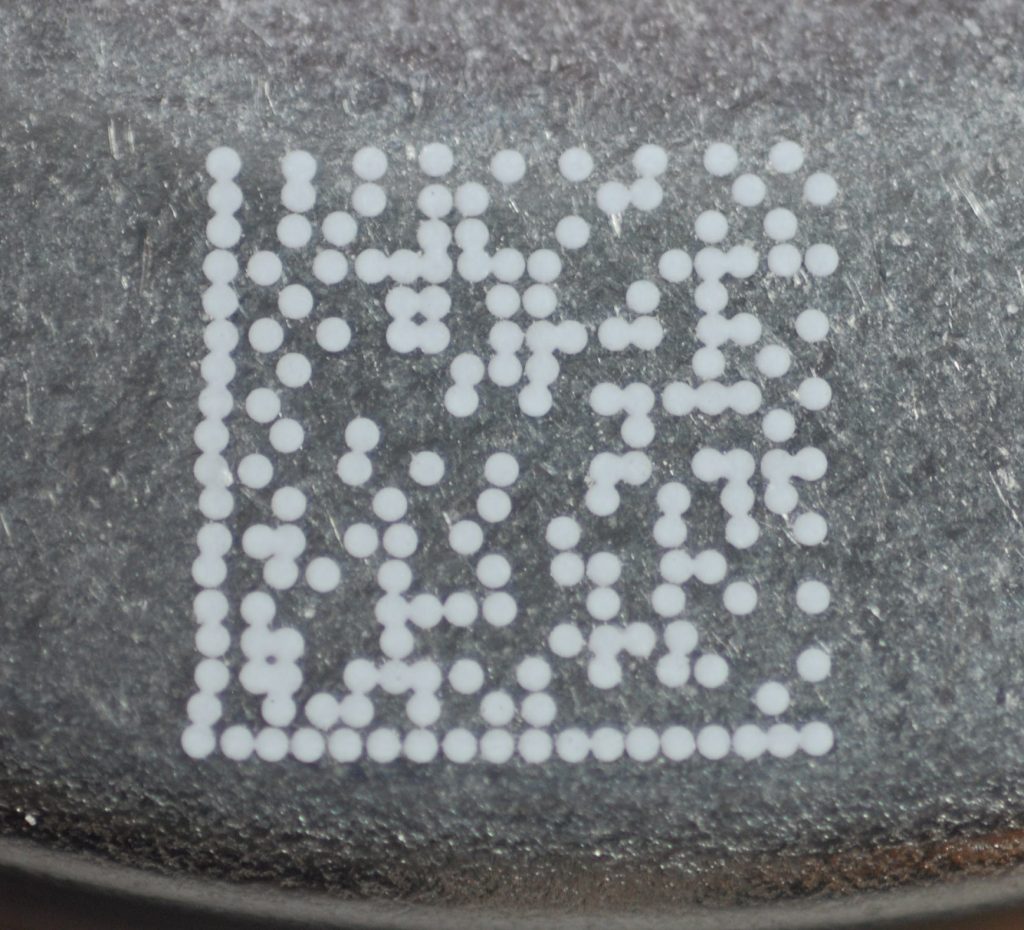
Aerospace and defense have their own unique barcoding challenges. Here, barcodes prevent counterfeit parts, which often have degraded or missing barcodes, usually laser-etched directly onto the part. The prevalence (or scarcity) of barcode problems in these industries is harder to quantify because they get buried in broader mechanical or software defect narratives.
Are barcodes in aerospace, automotive, and defense less problematic than those in healthcare? I wouldn’t bet on it—and neither should you.
 Contact us here.