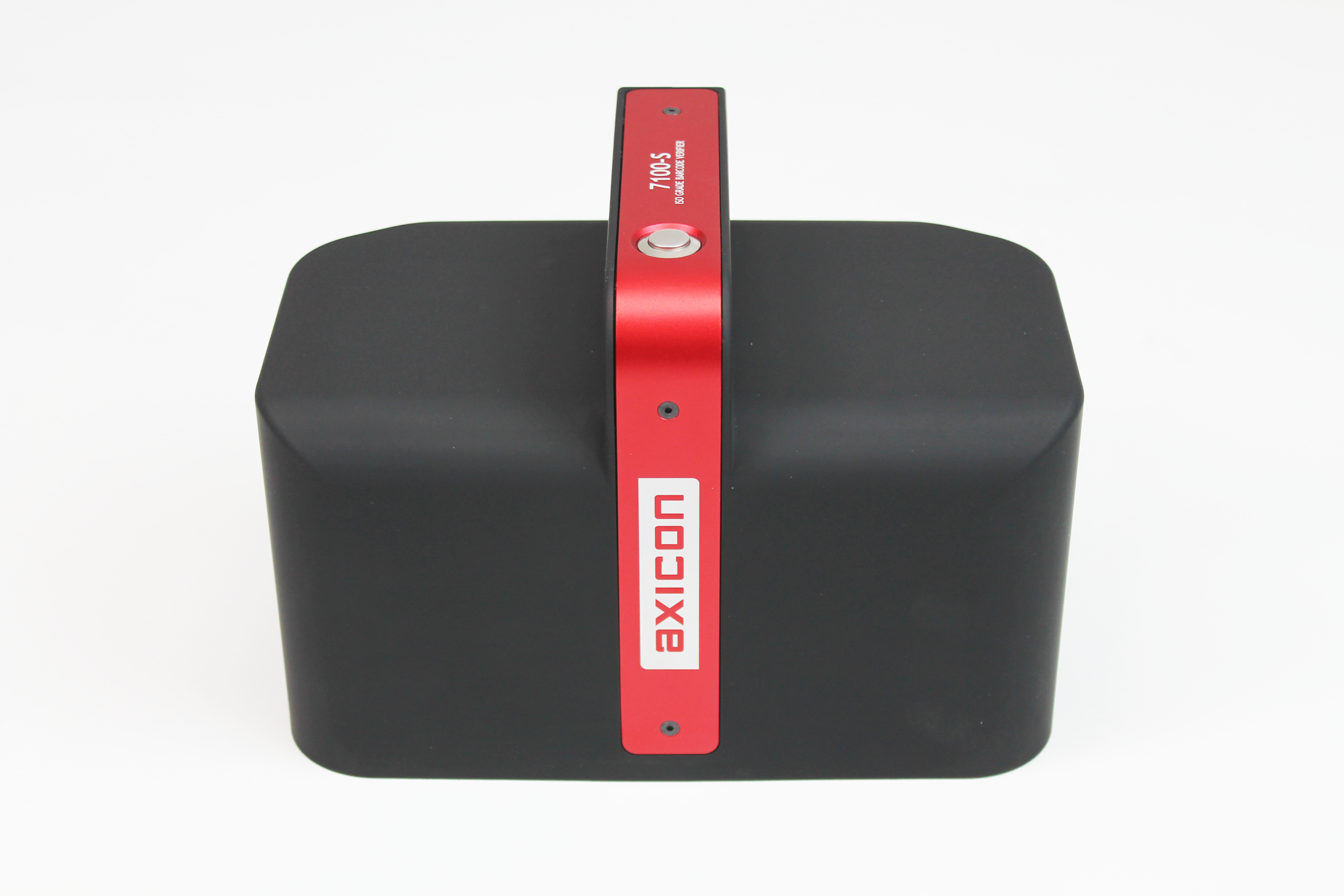
As a recovering perfectionist, it’s helpful to add some perspective to barcode quality and compliance. Sometimes customers are overzealous about the quality of the barcodes they demand from suppliers. More often, it is the suppliers themselves who believe that barcodes with verifier A grades are significantly better than B or C grades. As a barcode testing bureau, we can confirm that they are indeed better, but is it worth the effort? Keep reading—we’ll get there.
What do the verifier grades actually mean? Does an A grade guarantee scan success? Does an F grade guarantee scan failure? Welcome to adulthood. There are no guarantees. So why verify at all? Good question.
Why Verify?
A quick tutorial on what the verifier grades mean. It’s all about first-read rate. An A-grade barcode is likely to scan successfully the first time. One press of the scanner trigger and the barcode decodes. From there, the number of trigger presses increases. B-grade barcodes might take two scans. An F-grade barcode might take several scans to work—or it might not decode at all.
Thus, verifying a barcode predicts how it will perform based on a set of standard attributes it measures and grades. Why verify? Because with a verifier, you aren’t flying blind. If you think that scanning a barcode with your smartphone is better than nothing, please read this.
Hint: scanning with a smartphone is worse than doing nothing.
So if A-graded barcodes are better, isn’t that what I should shoot for? It’s a noble goal, but your customer may not even notice and is probably not willing to pay for the difference. The cost difference can be significant. Some printing processes cannot achieve an A grade no matter what you do. Printing GTIN14 barcodes (ITF14) on bare corrugate is one example of this. Here is what the Fiber Box Association has to say about that:
“The minimum acceptable GS1 symbol grade is D for the ITF Symbology… For symbols printed on natural kraft-colored substrates, the symbol contrast verification results will be D most of the time…” *

Who Cares?
So if A-grades are overkill and D grades are sometimes acceptable, what is the fuss really all about and why should I care? That’s another good question.
The fuss comes from the supply chain, from the very beginning, through the distribution center, and right down to where the barcode is finally scanned. In some cases, that’s the retail frontline. In healthcare, that final scan could be a hospital bedside or a surgical theater. Aerospace and automotive scanning takes place in assembly. The military uses barcodes permanently etched into machine parts.
The fuss in retail is that the frontline is the second-most-expensive part of the store. Only the inventory itself is more expensive. The fuss in healthcare is that a non-working barcode fails to protect the patient from a potential bedside dosing error, and in a surgical scenario, the barcode identifies an implant that may be subject to a later recall. The military uses barcodes not just to identify a part, but to track its location and maintenance history.
That’s who cares—and so should the supplier. An A-grade is generally not necessary, but an F-grade is always unacceptable. Only a verifier can predict how your barcodes will perform, and protect the supplier, the customer relationship, and the likelihood of future business.
 Questions? Comments? Contact us or book a free 30-minute consultation here.
*Attribution: The Fiber Box Association “Guide for Direct Contact Printing of Barcode and QR Symbols on Corrugated Board,” (2016)