Defining quality, though seemingly simple, can be challenging. Is it meeting the threshold of compliance, or something more? It isn’t the same for every organization, and there are always at least two sides of the issue: the maker and the user, the brand and the consumer. Defining quality may be the simpler challenge. Once defined, achieving it is more daunting.
Side note: a sure recipe for protracted struggle and likely failure is to overlook the essential task of defining quality, and rush right into trying to achieve it. The culprit is often the tyranny of time. Not enough time to craft a quality process. Of course, the irony is the unlimited, unlimitable time to correct the resulting problems. Mistakes happen quickly and get fixed slowly. Even worse when the solution becomes the gift that keeps on giving. The temporary fix becomes the process.
 Fix Becomes Fixture
How to avoid this mess? The answer is obvious, right in front of you, staring at you. The still, small voice you are too busy, too stressed to hear. At your peril. Not your fault, you say—and believe. The customer is pressuring you. The deadline is non-negotiable. Your reputation is on the line. Blah, blah, blah.

Competitive situations seem to create two strategies: do it fast or do it cheap. Even better, promise both. That might win you the first opportunity, but is that all you want? Isn’t a long-term relationship the real goal? A quick, cheap delivery followed by a period of corrections punctures expectations on both sides of the equation. The promise is broken. Only the stress remains. There is a third strategy that changes everything. Create space.
Create Space
 Even in a culture built on emergencies, culture makes a difference. First responders are more effective when quality is embedded in the culture. Most of us are not first responders, but we overlook the opportunity to build quality into our culture. What does that look like?
Leadership is the key. A leader is defined as someone with collaborators—not just followers. Leaders create space for collaboration. Leaders are not the loudest in the room, the fastest to answer, the first to fill the silence. Leaders create clarity, and clarity comes from space to see the bigger picture, the whole project, and each step. Space creates clarity. A safe space allows conjecture, constructive criticism, respectful disagreement. Creating space is a choice not to react, but to pause before deciding, and to ask better questions before defaulting to the quickest answer.
Think
Creating space opens two new possibilities. People start thinking and stop performing. And the real problems become visible. Time and cost are always problems, but never more important than quality.
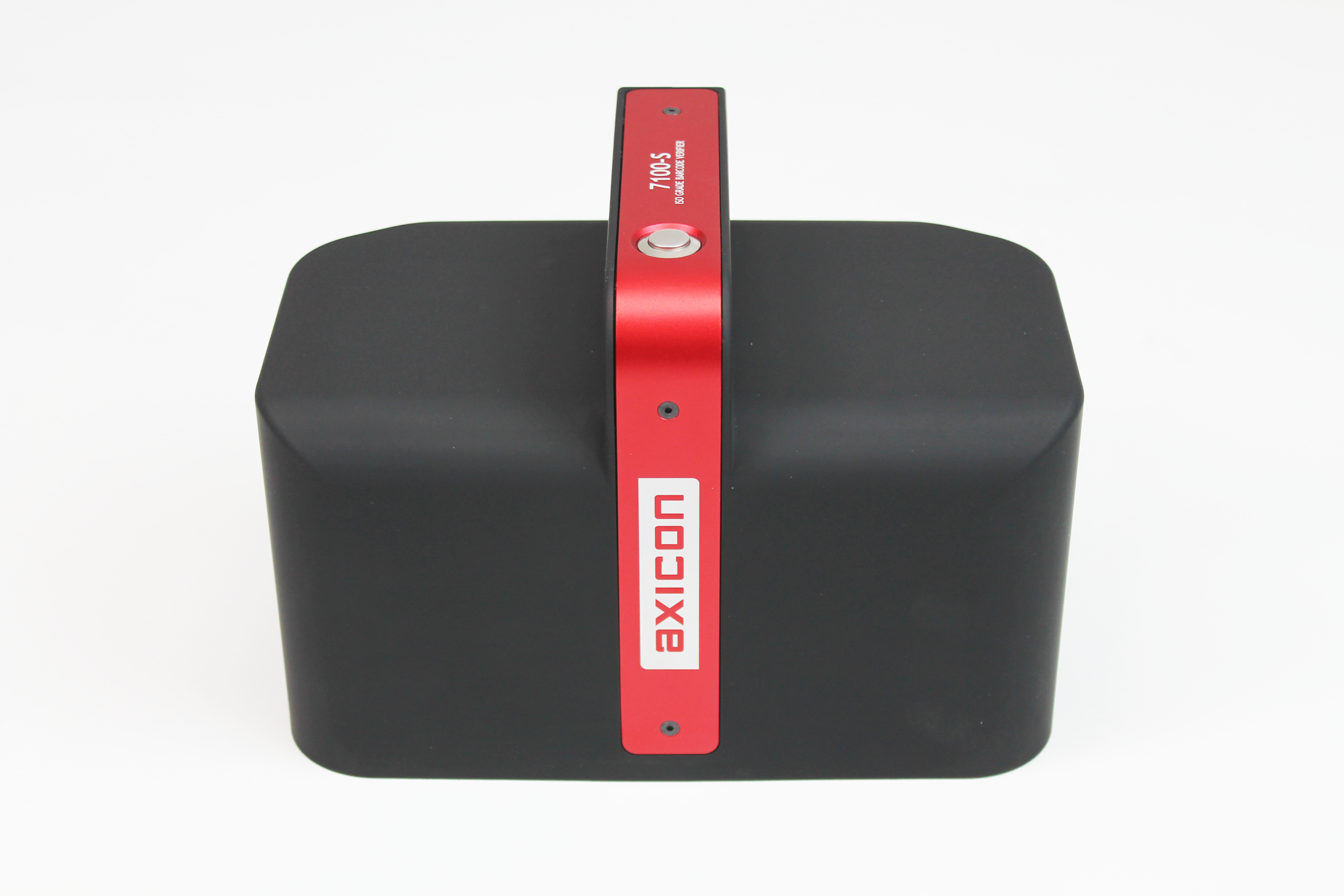
Our product is quality. It just so happens to be about barcodes, but our quality process is the same everywhere, and the same for solopreneurs as well as vastly larger organizations. Make space, create clarity and watch what becomes visible.
Barcode questions or problems? We can help. Contact us here.