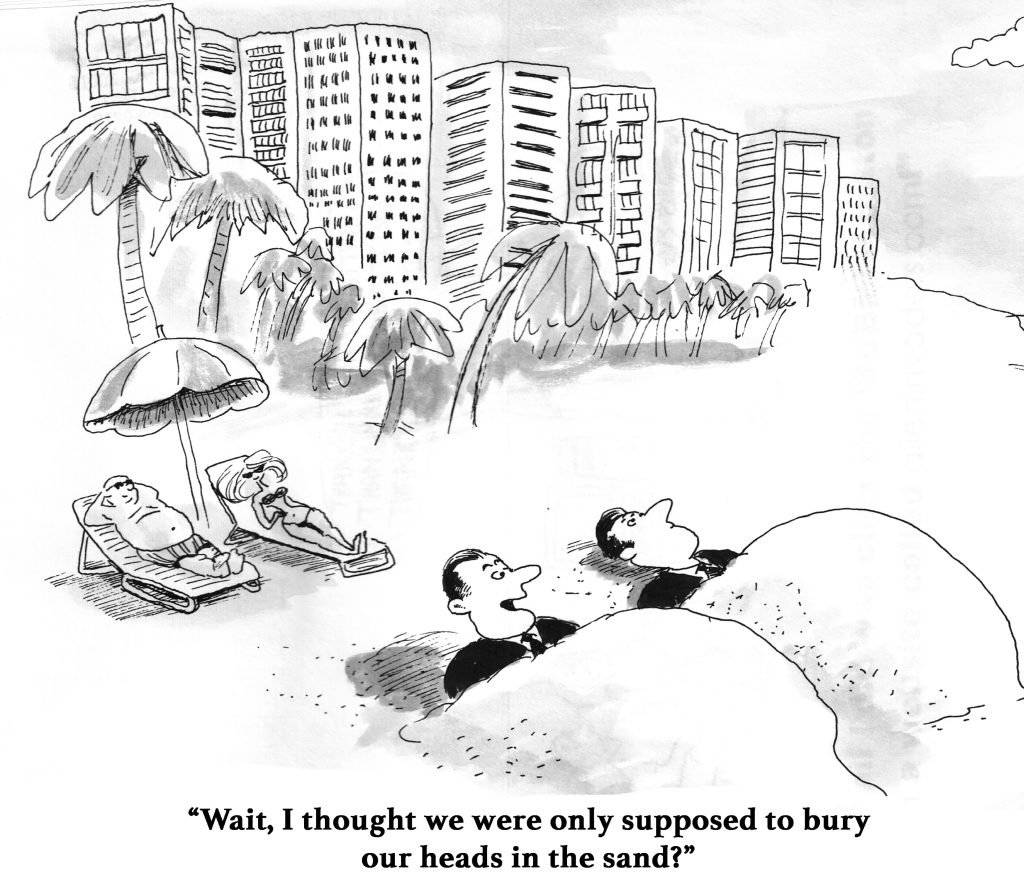
 AI is showing up in more and more areas of daily life. Inevitably, it is infiltrating quality and has become a subject of considerable controversy within the quality community, including barcode quality. Long before AI, there were two very different points of view in the barcode quality conversation. There are what I call the head-in-the-sand “we’ve never had a problem and therefore never will” fierce independents, and there are the mainstream “play-by-the-quality-rules” true believers. And, of course, there are outliers in both groups.
The AI Tsunami
Now, here comes AI, like a tsunami; the adoption and sorting out has begun. How does AI play in the quality world? It will be fun to watch how it will sort with the renegades, but the focus must be supply chain security and integrity, inventory control, risk management, and user safety. That’s what barcode verification is all about.
AI-based machine vision is already catching cosmetic defects that rule-based inspection misses—and doing it at high speed. AI is also very good at tracking process data that could be used to predict product quality drift: things like temperature and humidity, or pressure and speed. Think about that for a moment. Quality is typically focused on the process output, not the process itself. AI does a great job monitoring the process.
 Monitor or Measure?
While process monitoring sounds great, there are considerations to contemplate, especially for highly regulated industries like healthcare, where quality decisions must be defensible.
An honest look at ISO/IEC 17025 reveals some limitations in standards-based quality as well—our test lab spends a lot of time explaining the grading and metrics to our customers. What caused the low grade for Decodability or Modulation, and how do you fix it? AI-assisted image processing and machine-learning decode engines are useful in troubleshooting bad barcodes, not just flagging it.

Sounds great, doesn’t it? Well, hold on. That machine learning is pattern-matching, not measurement. Thousands of examples of image defects are classified into a menu of causes: ribbon wrinkle, smeared print, ribbon-substrate incompatibility, etc. The AI output is statistical. It reports probability, not a determined cause. The standard for print quality of a linear barcode (ISO 15416), or a 2D barcode (ISO 15415) grades a set of parameters based on a defined algorithm. The verifier produces a grade regardless of the cause. It is what it is, it is not a probability.
Probability or Compliance?
 Why is that an important difference? Because it is defensible. Which is not to imply that AI isn’t useful. AI is like a postcard. I love postcards. They show you something interesting, somewhere you may want to visit. An ISO print quality report is a map. It shows you where you actually are and how you got there.
This isn’t an either/or choice. It’s a both/and opportunity. Better tools, better outcomes.
Know your tools. Use them wisely.
 Got a barcode problem? Need some answers? We can help. Contact us here.