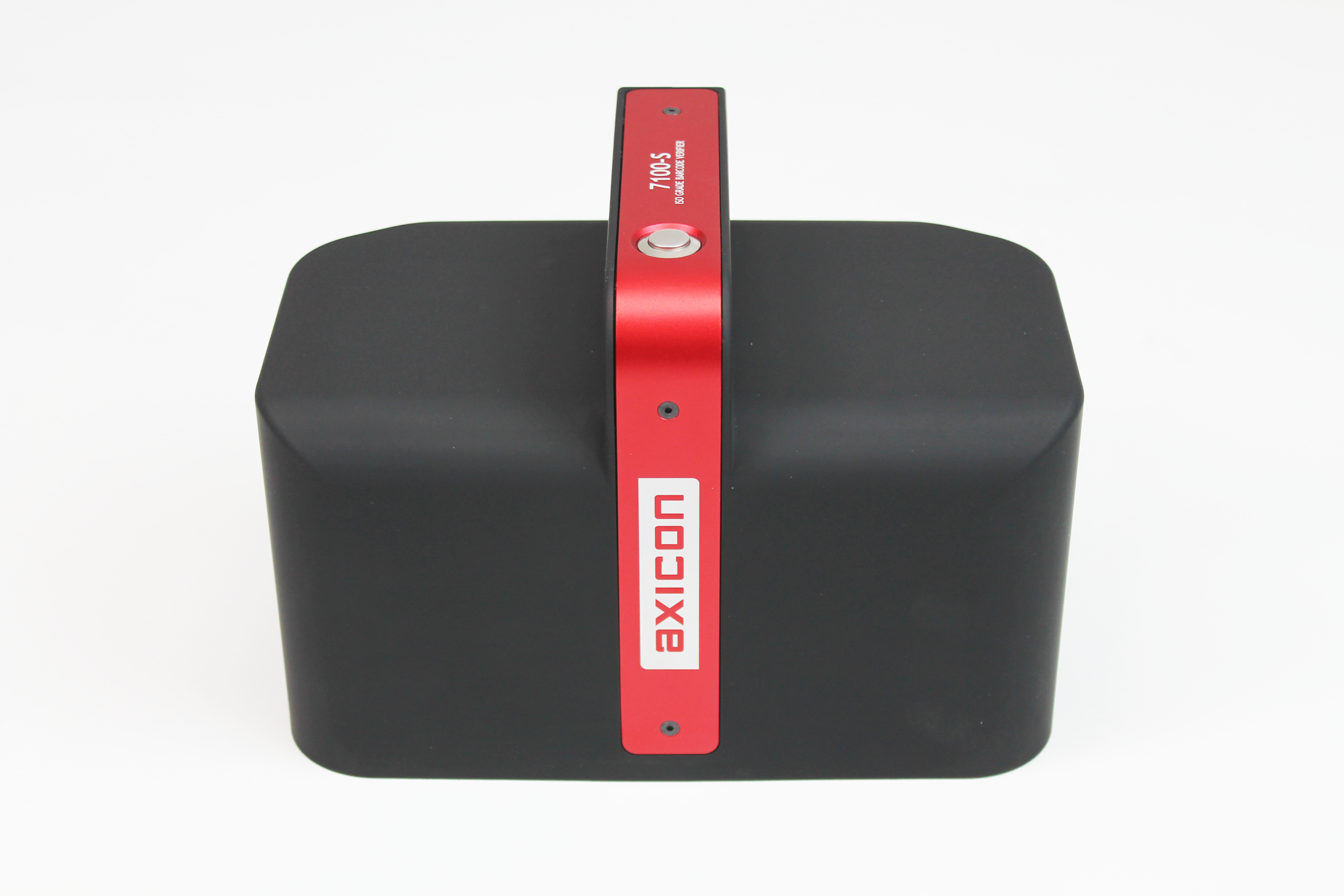
If your company uses barcodes on a product or process or is responsible for designing or printing barcodes on a label or package, being concerned about barcode quality is a great starting point. What you do to ensure barcode quality is the next critical step.
Here are the three worst things you can do, starting with the least worst.
1. We Never Had a Problem

Believing that history predicts the future is a recipe for a rude awakening. If it is true that you have never been concerned about barcode quality and never had a barcode problem, what do you really know—and not know? Let’s find out.
Know
• Barcodes you are responsible for fall within a range of acceptability from marginally scannable to possibly very good. Your barcodes are untested. You have never knowingly had a problem. That is the totality of what you know.
Not Know
• You have no idea if some, a few, most or all of your barcodes are poor quality or even if some of them are unscannable, but your customer isn’t scanning them—yet.
• Never having a problem suggests that your quality is consistent. Consistently acceptable is not the same as consistently good.
• Any process with variables will be inconsistent by definition. You just don’t know how close to failure you’ve been, and how often.
• You don’t even know what you don’t know.

2. We Check Barcode Quality with a Scanner
A scanner is a go or no-go gauge. It either scans the barcode, or it doesn’t. This is remarkably similar to not testing barcodes at all, on the belief that no past problems are a prediction for no future problems. Sure, it’s good that it scans, but you don’t know how bad or good the barcode is, and you don’t know if your customer’s scanner will perform like your scanner. They pay the bills-isn’t that more important?
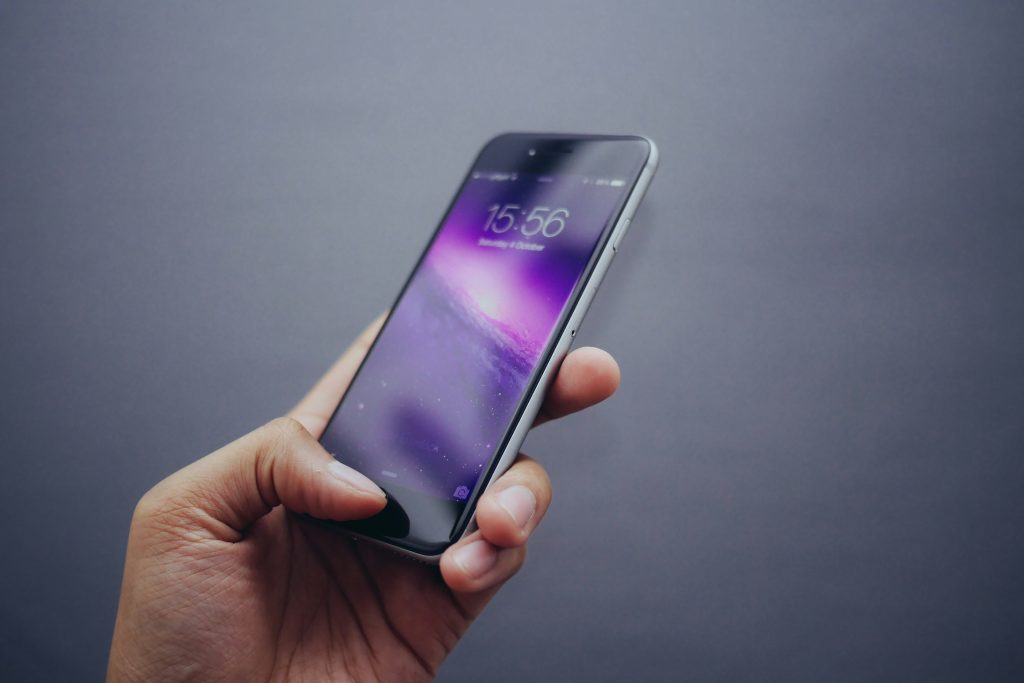
3. We Check the Barcode with our Smartphone

This is mind-blowingly unhelpful, starting with the simple fact that a smartphone isn’t a scanner. And if it was, you’d have the defective logic described above. It gets worse. A smartphone can’t distinguish a UDI format from a generic linear or 2D barcode. A smartphone may not identify the barcode type—is it a Code 128 or a Code 39? Worst of all, a smartphone doesn’t use the correct light source. Why is this important? Because the laser-emulating red light source in a scanner cannot see certain colors, which the white or ambient smartphone light source can. Therefore, the smartphone can easily read some barcodes a scanner cannot even detect. That is not a good thing. As a barcode verifier, a smartphone isn’t really very smart.
Verified quality barcodes are less expensive. In the long run, a verifier pays for itself. Although it may seem like using a scanner or a smartphone—or the false promise of history—is a cheap solution, one bad barcode can seriously damage your current and future business…and cost you a lot more than a real verifier.
A smartphone isn’t really very smart…
In the short run, a barcode testing business can provide the verifier and the expertise to interpret the test results, keeping your process in control, your barcodes compliant, your reputation secure and your business protected. We can help.
 Comments or questions? Contact us here.