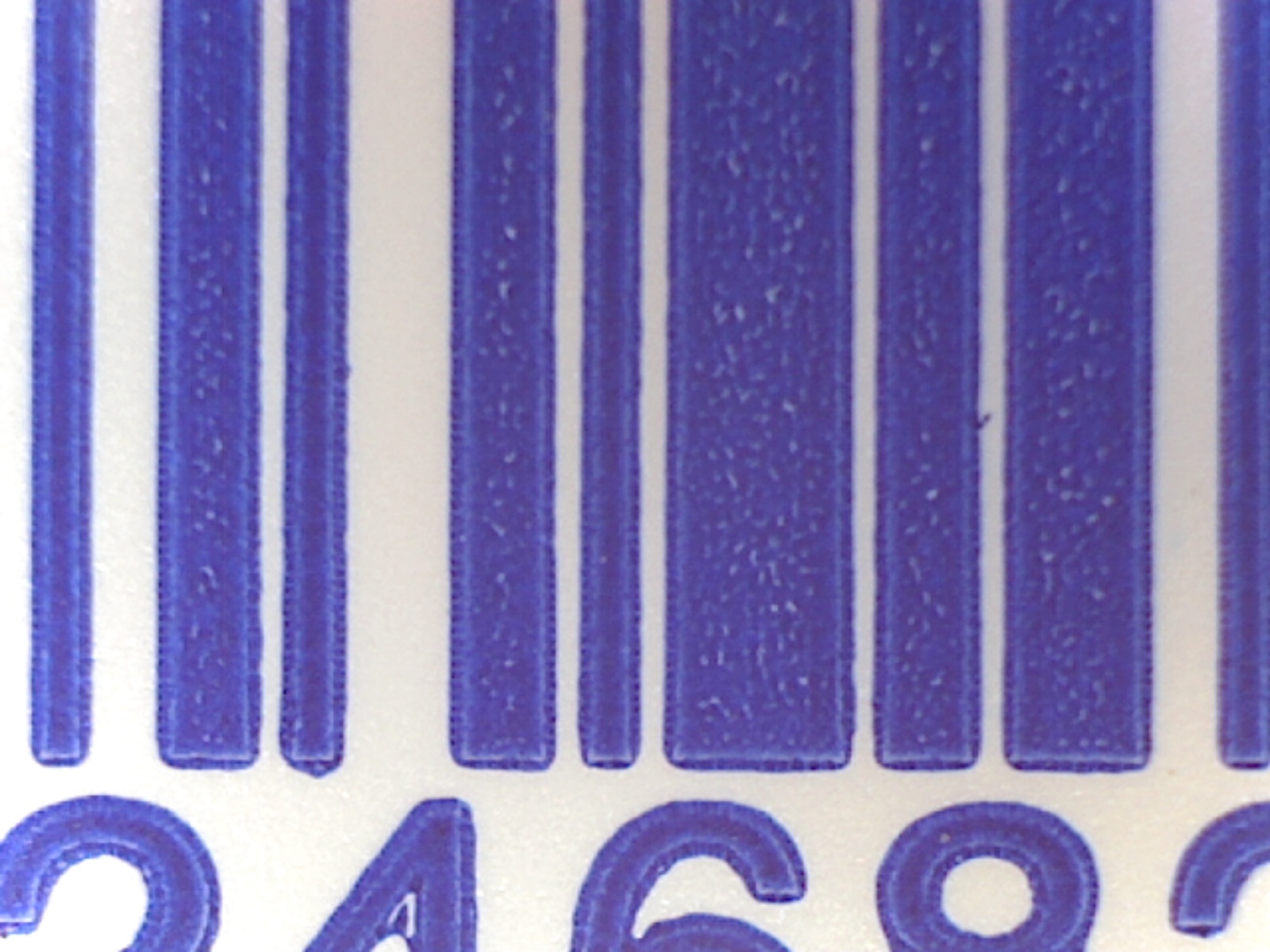
 There is a small set of issues underlying most barcode problems, but print gain is by far the most common. Print gain is the spreading of the barcode image in the printing process. There are many causes:
- Wet ink wicking into a porous substrate
- Pigment conflict with a coated, inconsistent, or non-porous substrate
- Exertion of excessive pressure in a flexographic process
- High thermal print head temperature
- Incorrect nozzle setback in an inkjet process
- Incorrect voltage, dwell or raster rate in laser DPM imaging
Gain is Normal
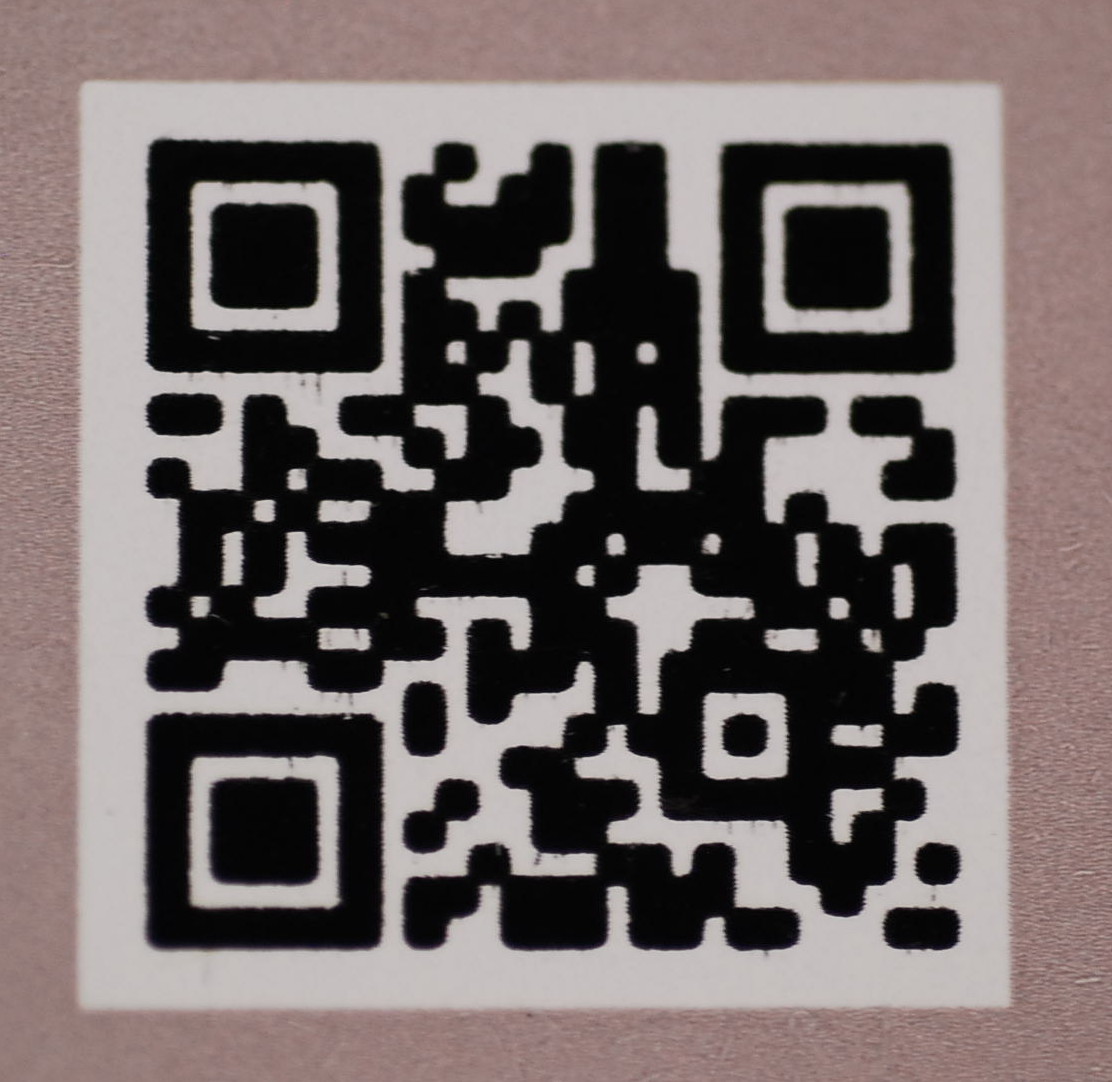 Gain is normal in all printing methods and is acceptable within a range. Determining the amount of expected gain is simple, regardless of whether the printing process is plate-based or digital. The key is to start with a known X dimension (narrow bar width) or pixel. Measure the element (bar or dot) width on a printed barcode test image. The amount of element width deviation is the amount of gain. If the image is 0.001” wider than the expected width, the gain is 0.001”.
Graphic design software includes settings to compensate for gain. It may be called bar width reduction, pixel shaving or some other name. Whatever it is called, it provides a way to compensate for anticipated print gain.
Compensate for Gain
Gain may change in some print processes, due to heat build-up or other factors. Impose sufficient bar width reduction to aim for zero print gain, so if some growth is expected in a long print run, it will not exceed bar width tolerances, which vary depending on the barcode symbol type and size.

Think of gain as a process variable and bar width reduction as one of several tools for controlling it. Other tools include:
- Ink formulation—using the same type of ink from the same batch and supplier
- Ink viscosity
- Substrate type, coating, batch and supplier
Gain is a Known Process Variable
Keeping a log of all known variables simplifies the process of getting repeatable results over time.
While gain can be expected in some print processes, dealing with it is difficult in unstable processes with unidentified or uncontrolled process variables.
 A calibrated, compliant barcode verifier can help to identify variables, and establish durable control over them. If you do not have a verifier, a reputable barcode testing service can help. Periodic re-testing is always wise, to confirm that you remain in control. In most circumstances, 100% verification is overkill.
Gain is not a graded ISO parameter for 1D and 2D symbols, although gain is measured and reported with high quality verifiers. But gain can be a factor in downgrading the following ISO parameters:
- Modulation (1D and 2D symbols)
- Decodability (1D symbols)
- Unused Error Correction (2D symbols)
- Decode (1D and 2D symbols)
 Contact us or schedule a free 30 minute consultation here.