Why is this necessary? Months of strange, new and sometimes difficult ways of working? Emerging, new ways of doing old things. Pandemics and technology both have a way of doing that. Election year anxieties have everybody on edge? I do not know what is driving it, but our barcode test lab has lately seen many barcodes with simple problems. Innovative packaging and new printing technologies do not negate the basics. So here is a review.
Barcode Colors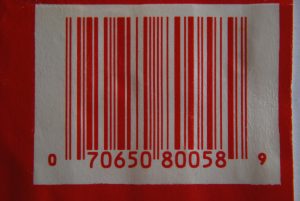
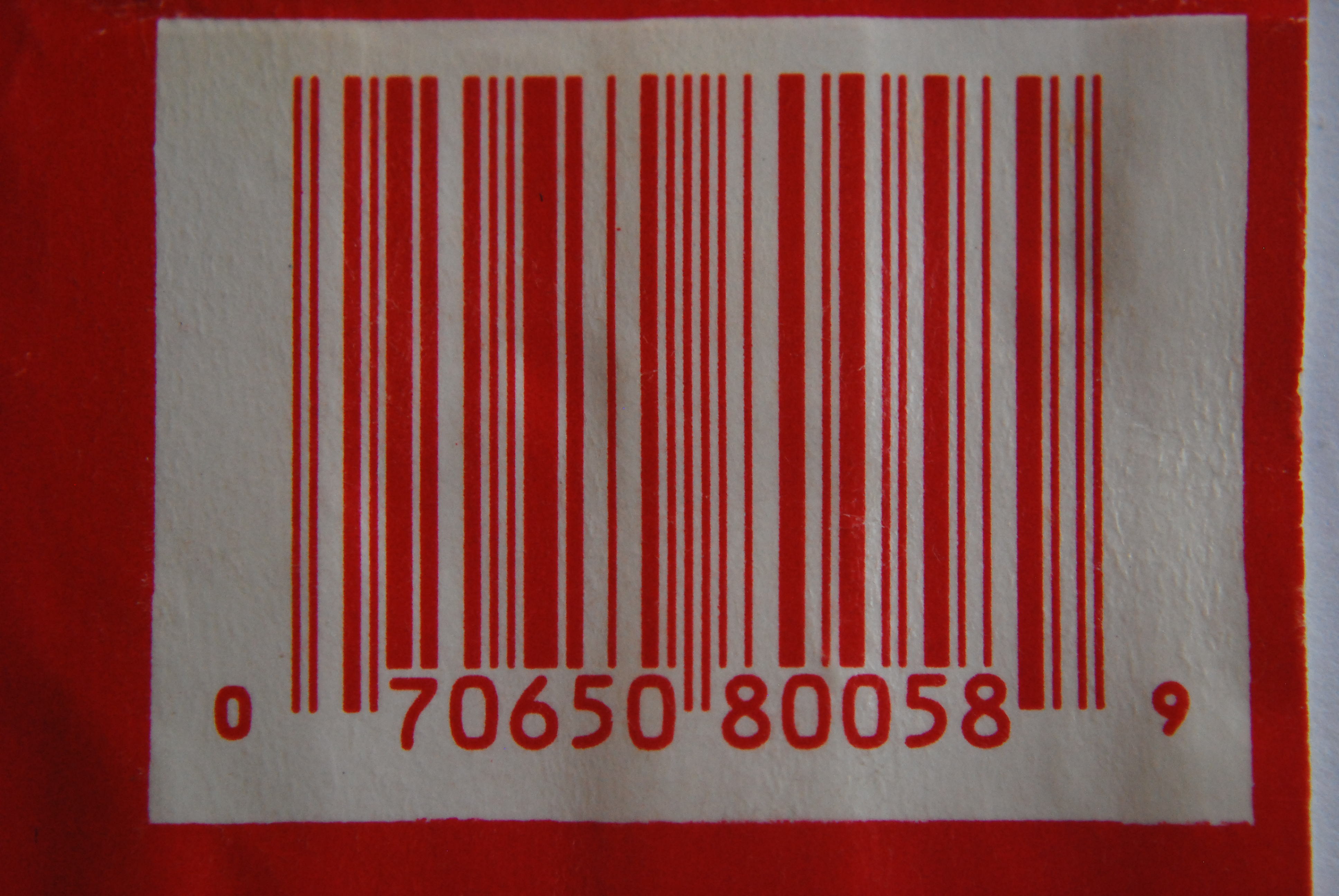
Scanners do not like barcodes that are red and backgrounds that are green. This is because scanners use a red-spectrum light to scan the barcode. Why? Because the original scanners back in the 1970’s used ruby lasers, producing light in the 660nm range. Modern scanners do not use lasers but lasers are still around, so we stick to the old rules. Pouting will not change that. We drive on the right side of the road in the US. There is cosmic law for that—we just do.
Your smartphone can scan barcodes in all sorts of colors. That’s because smartphones use white light, not red light. That proves nothing about whether your customer’s scanner can read them. Do not be fooled—it gets expensive to be wrong about this.

Quiet Zones
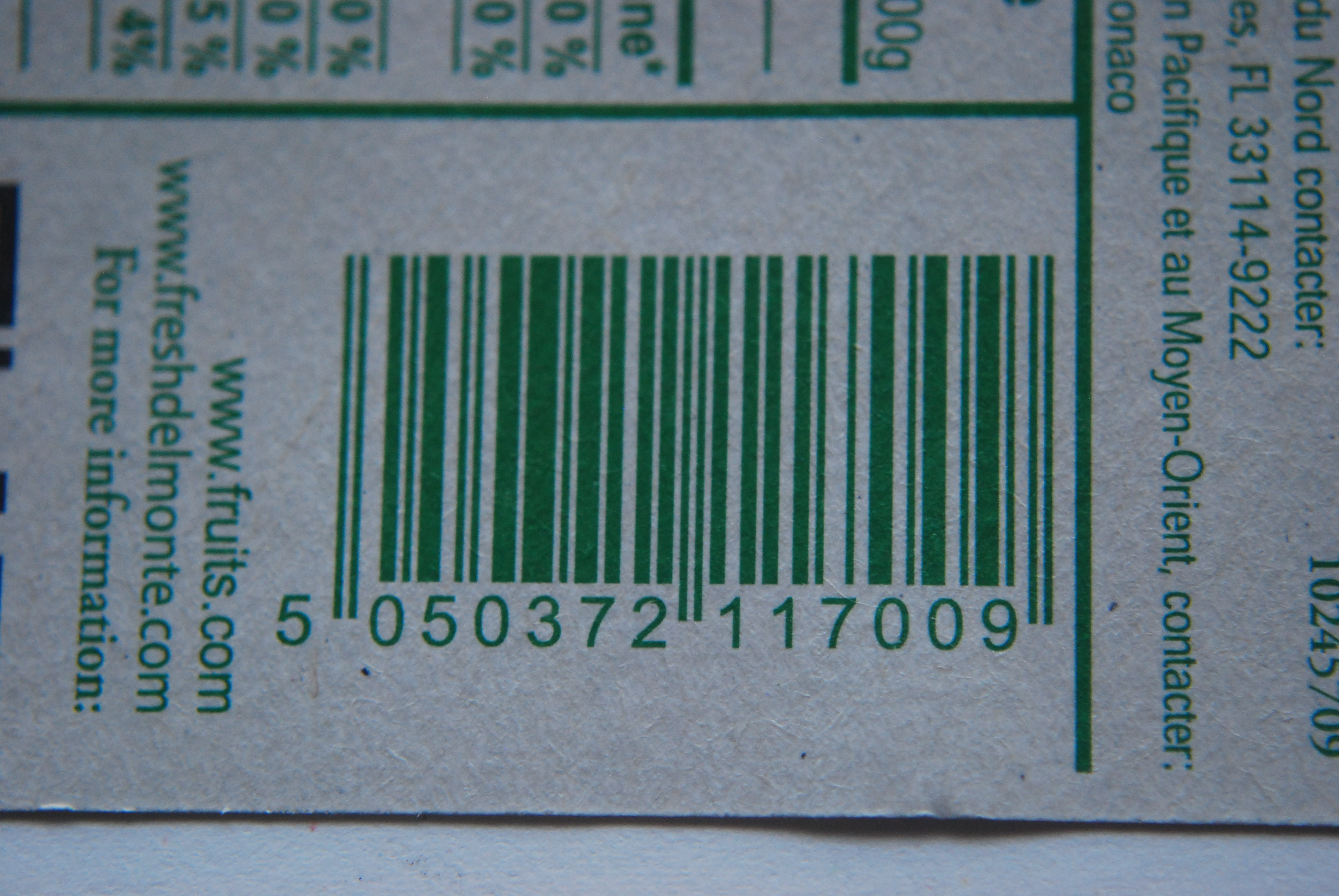 Scanning a barcode starts with the scanner finding the barcode. Your eye does this easily. A scanner cannot. Scanners cannot differentiate a barcode from text or pictures or patterns. Scanners only see reflective differences. That is why barcode colors are important. A red barcode against a white background is like white on white—invisible to the scanner. A barcode amidst a sea of text is just a jumble of dark and light reflective values. Quiet zones make it possible for the scanner to detect the barcode as a recognizable and intelligible field of data. It all happens in a fraction of a second. Do not be lulled into thinking it is easy. Quiet zones are essential.
X Dimension
The width of the narrow bar is the building block of a barcode. 1D barcodes like UPC and Code 128 are a combination of bars and spaces (elements) of various, known widths. Wide elements are a calculated multiple of the narrow elements. The X dimension is the width of the narrow element.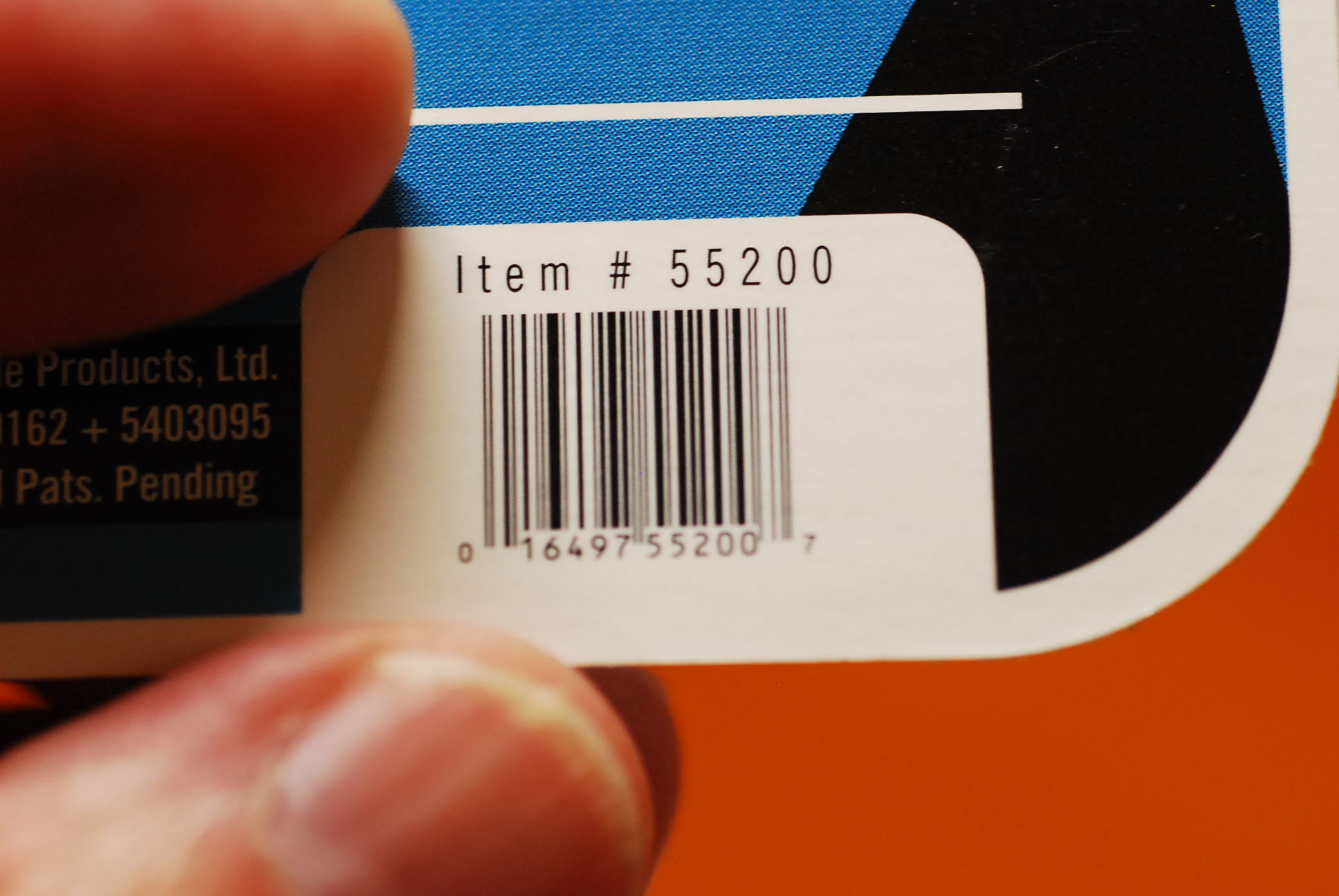
Smaller X dimensions make barcodes smaller. They also make the tolerance for element width tighter. There is less margin of error, and accurate printing is more difficult on smaller barcodes. Smaller X dimensions also make scanning more challenging.
Package design often conflicts with barcode requirements. The solution is often to reduce the size of the barcode. Lately we have seen UPC symbols as small as 50%–much smaller than the 80% allowable minimum. It is really just mathematics: at 50%, the X dimension is .0065” and the margin of error is about .0005”. Is your printing process capable of resolving a 6.5 mil line accurately and repeatedly? Even if it can, some scanners cannot read it. The reflective differences between bars and spaces that small are too tiny to differentiate.
 Questions or comments? Please contact us here.