We test lots barcodes and see a host of barcode problems. As a test lab, our vantage point shows us the range of things that can go wrong with barcodes. Even more interesting is insight into the key problems—the things that most often go wrong. Surprisingly, it boils down to just two main problems.
Quiet Zones
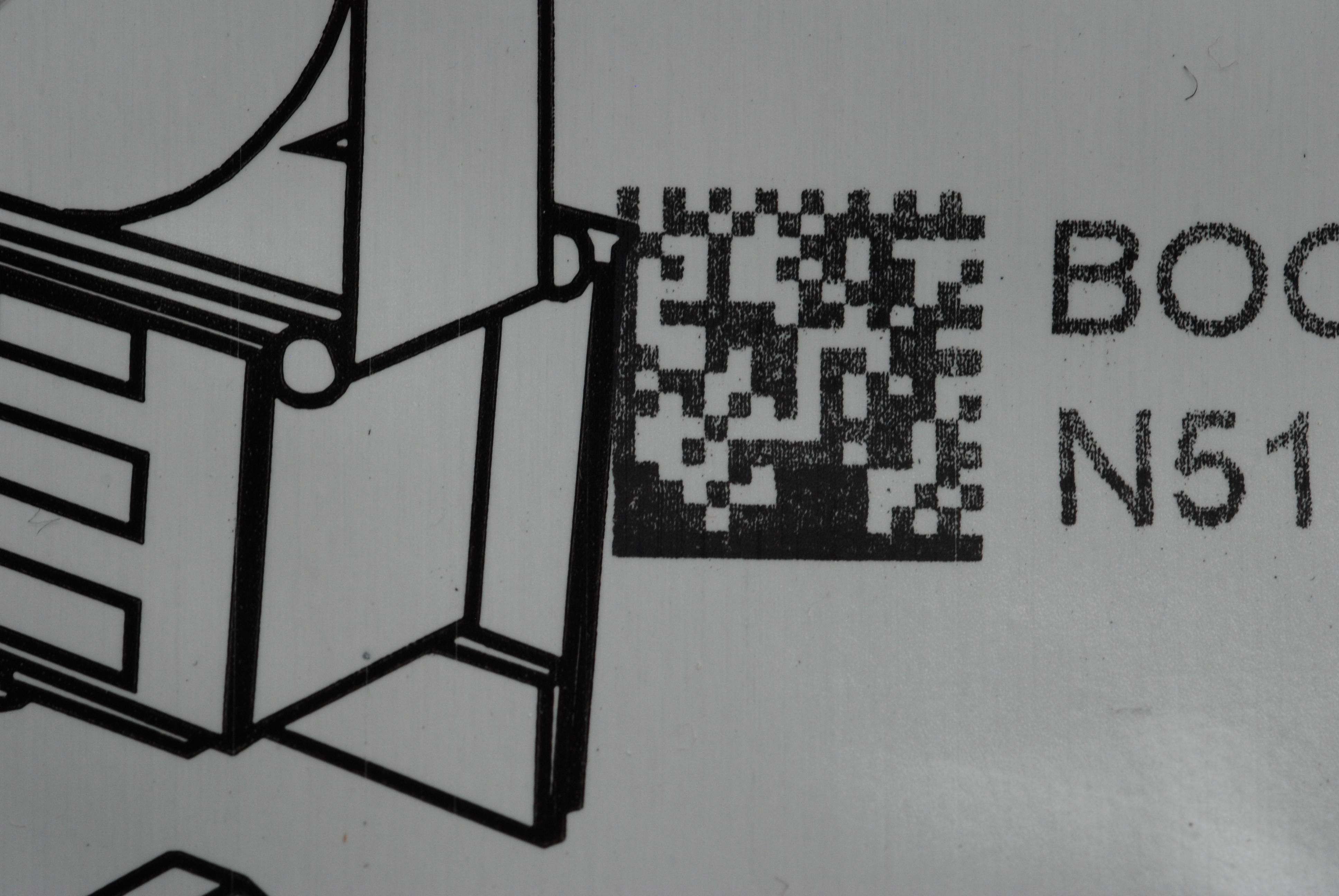
About 45% of the time, the problems we see with a barcodes is with quiet zones: to be more precise, violated quiet zones. It seems like an obvious problem, but consider this: different types of barcodes (symbologies) have different quiet zone requirements. It is inaccurate to say that all barcodes must have a .25” quiet zone. That is larger than necessary for some barcodes and too small for others.
The required size of a quiet zone will also vary depending on the physical size of the barcode. An 80% UPC requires a smaller quiet zone than a 100% UPC. One size does not fit all.
Often the cause of a quiet zone violation is text or graphics too close to the leading or trailing edge of the barcode. Sometimes the cause is printing the barcode within a defined space or slug that is too small for the barcode. Occasionally the problem is inaccurate placement
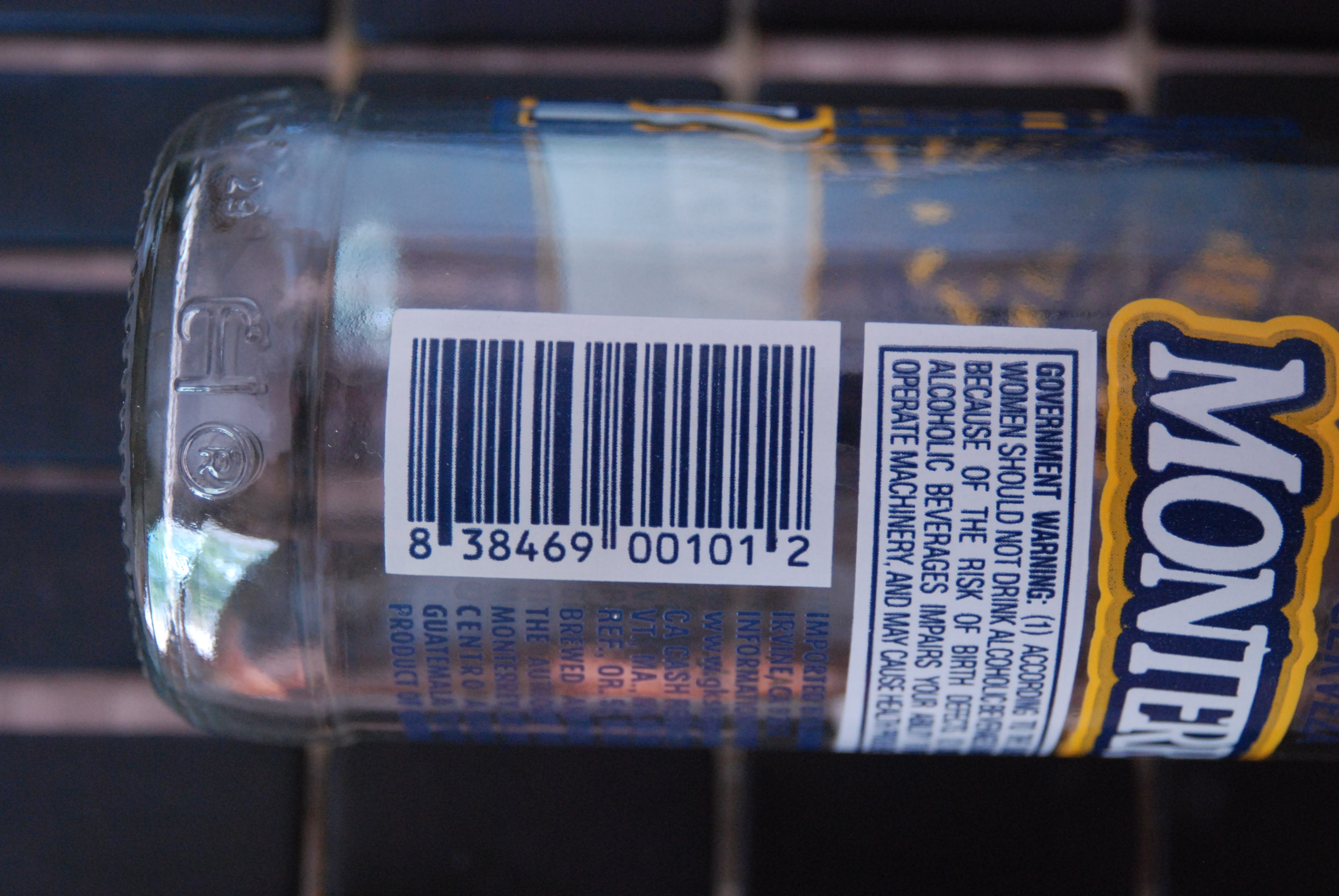
of the barcode within the designated area. If the area is dimensionally sufficient but the barcode is shifted one side, one of the quiet zones will be violated, the other will be larger than needed. This happens a lot when the barcode is digitally printed onto a pre-printed label or package.
Another cause of quiet zone violation is proximity to an edge, fold or seam. There may be sufficient quiet zones on the original label, for example, but placement near the corner of the box, making the label wrap around a corner, may cut off a quiet zone. In a similar way, a shrink-wrap or laminate seam can cause a quiet zone failure.

Print Gain

Print or press gain also accounts for about 45% of the barcode problems we see in the lab. Pre-press imposed bar width reduction is either insufficient for the amount of actual press gain realized, or no bar width reduction has been imposed. Often this is because of ignorance or the belief that none is necessary. This is a common belief in digital printing systems, and often perpetuated by the sales people.
Gain is also a problem in thermal or thermal transfer printing, caused by excessive print head temperature. Thermal imaging behaves similarly to wet ink: the image spreads into the substrate and higher heat causes it to spread more. In both wet ink and thermal systems, the pigment and substrate must be compatible. The physical contact in flexographic printing can also contribute to gain. Non-contact systems such as ink jet are likewise prone to print gain variations brought to bear by substrates of varying porosity and ink of varying viscosity. Porous substrates such as corrugate tend to encourage ink to spread. Recycled corrugate is worse than virgin corrugate. Thinner inks tend to spread more.
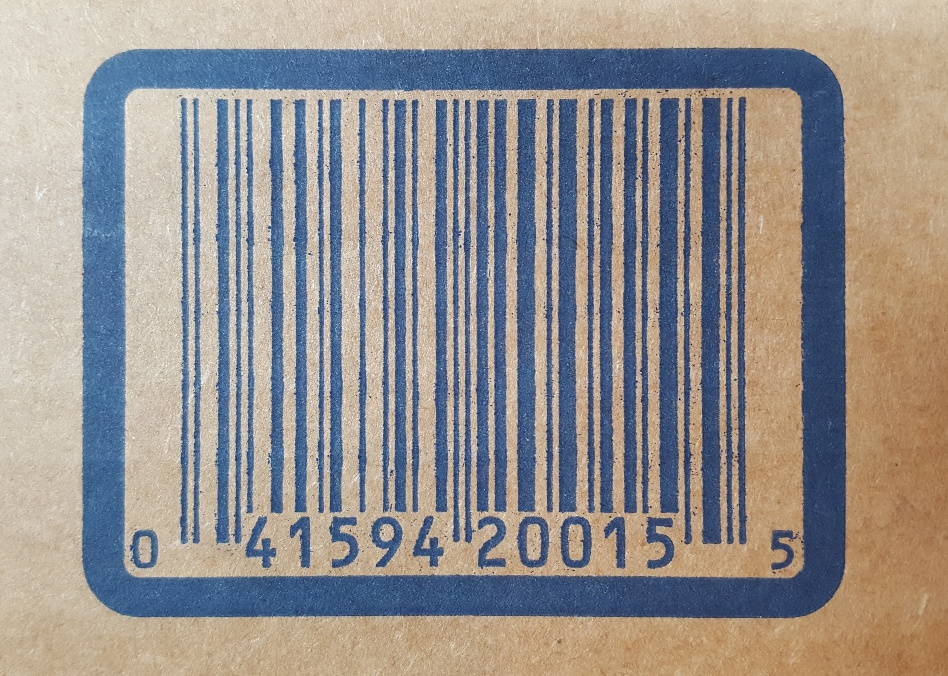
Here is an instance where both problems are involved. The bearer bars surrounding this UPC have been positioned at exactly the quiet zone limits. Press gain has caused the quiet zones to be violated. Quiet zones have a zero minus and an unlimited plus tolerance. Bigger is better. There is no reason to place bearers or graphics right at the minimum allowable distance from the barcode.
…and the 10% of Everything Else
Quiet zone and press gain problems account for about 90% of the problems we see. These problems are relatively easy to detect and fix. The remaining 10% can be much more daunting diagnose and fix. If you are experiencing a barcode problem, first look to either (or both) of the above causes. Chances are you will find your culprit there.
#quiet zone #print gain #barcode failure