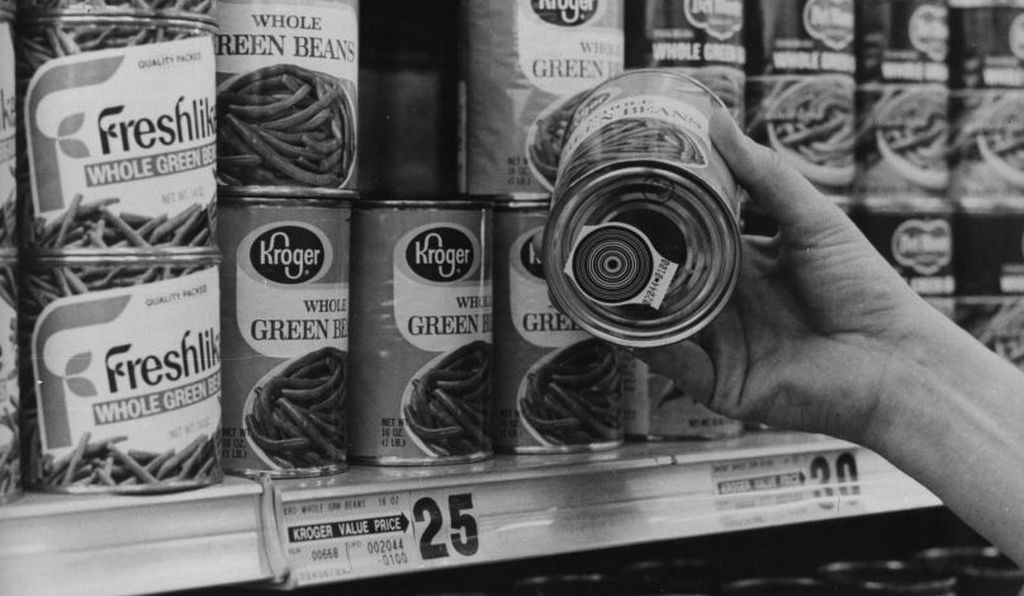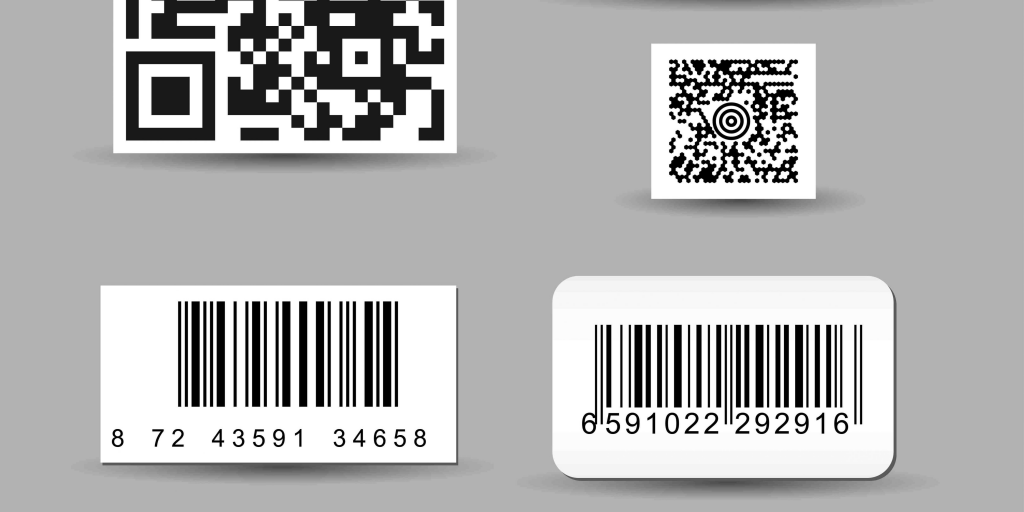
 There are more barcode types than most people realize. We are talking about the most basic barcode structures—not the more subtle, technical range of ways to encode the data (ergo Code 128, Interleaved Two-of-Five, UPC, etc.). The growing popularity of 2D symbols seems to suggest that there are really only two barcode types: 1D (like those symbologies mentioned above) and 2D (including QR Code, Data Matrix code and some other less popular types).
Actually there is a third barcode type and many of us are already aware of them—we just did not realize they are neither 1D nor 2D, they are a different animal altogether. These are the stacked linear barcodes. But wait a minute—these barcodes encode data on both the X and the Y axis, so aren’t these really 2D symbols? Not really and here’s why.
1D or linear barcodes encode data only in the X axis, and is likewise decoded horizontally, perpendicular to the bars, not vertically, parallel to the bars. 2D symbols encode the data on both the X and Y axis, with the data packed into the symbol in a serpentine pattern.

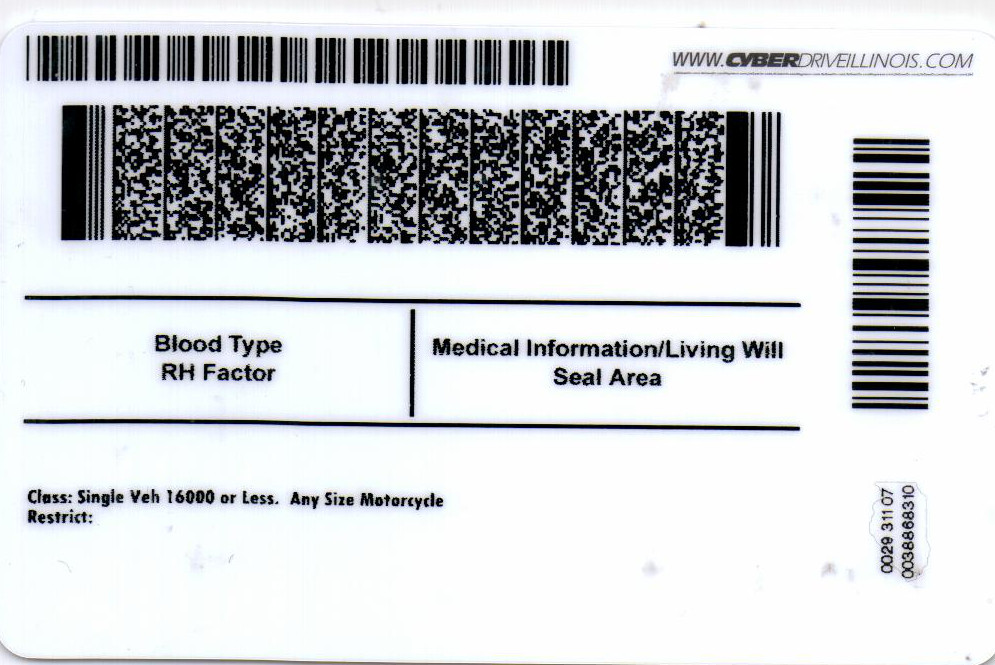 The third barcode type is the stacked linear symbol. Many of us are familiar with this one, which appears on state-issued drivers’ licenses in the US. It is a PDF417 barcode. Why is this not a 2D symbol—there is data going both horizontally and vertically? It is because the data is only decoded horizontally, like text on a page. Each line of text ends in a “more to come” message until the last line in the encoded message. A true 2D symbol encodes data continuously, both horizontally and vertically.
Somewhat less popular but out there in the public purview are GS1 DataBar stacked linear barcodes. We see them on coupons, but they can also be used on fresh fruit and vegetable labels and other variable weight retail point-of-sale products.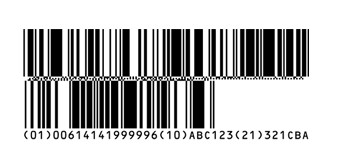
What are the benefits of stacked linear barcodes over 1D barcodes? That’s a simple question with a simple answer: stacked linear barcodes take up less space than the same data encoded in a linear barcode. And stacked linear barcodes are better at Omnidirectional scanning than the same data encoded in a linear barcode.
Why not just use 2D symbols everywhere and get rid of linear and stacked linear barcodes altogether? Is there some pro or con of a stacked linear barcode in comparison to a true 2D symbol? The answer is not simple. A true 2D symbol such as a QR Code or Data Matrix code has error correction capability that no linear barcode can offer. While a linear barcode can detect an error, it cannot correct an error. A 2D symbol has the ability to correct an error to a greater or lesser extent at the design stage.
Furthermore, linear and stacked linear barcodes can be decoded with laser scanners. Retailers would have to replace all their scanners with newer camera-type scanners to read 2D symbols. This is a significant expense with questionable cost-benefit for many retailers, even very small one-or-two lane stores.