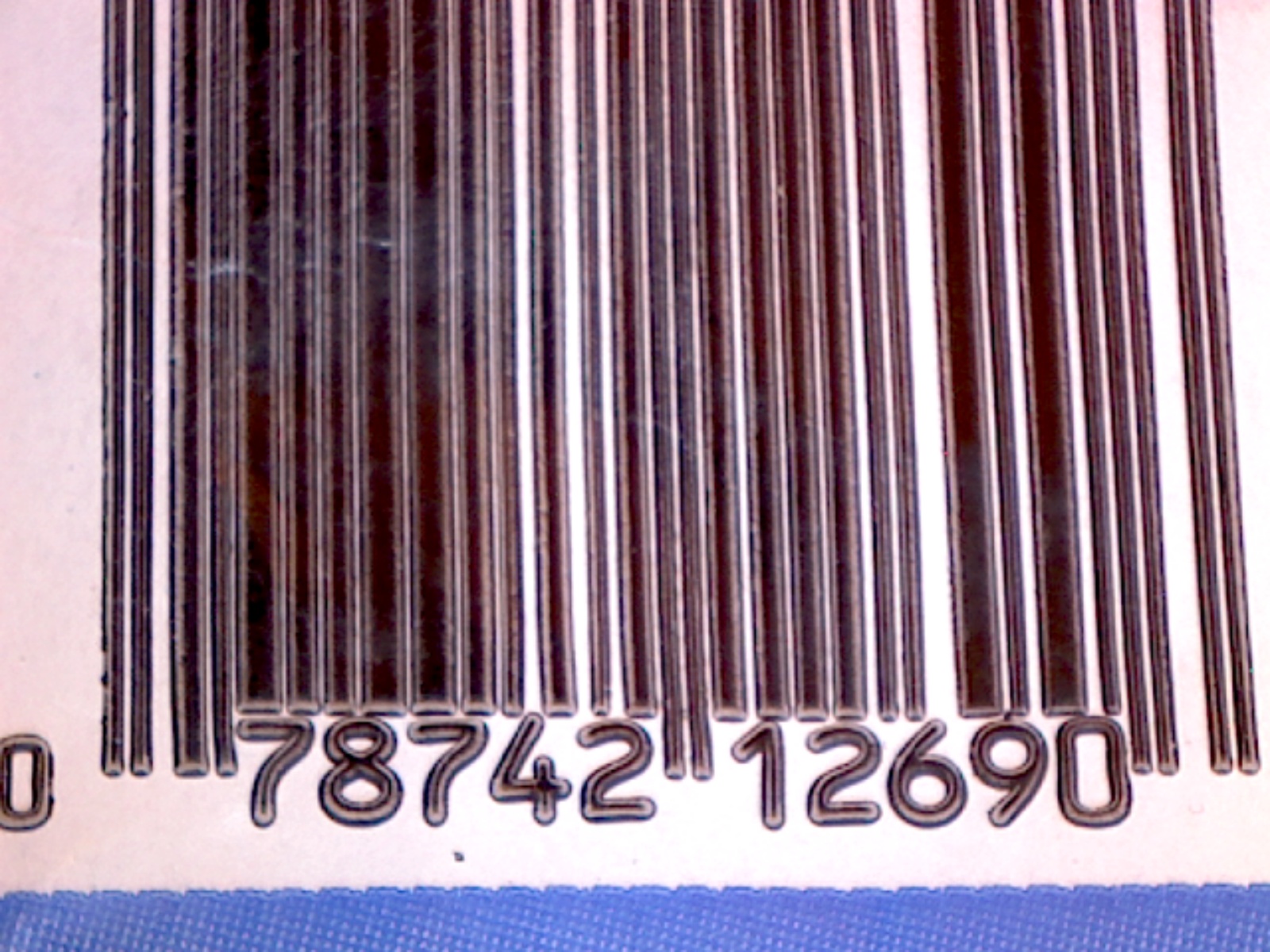
Bar width reduction or BWR is pre-press compensation for press gain. Ink spread is one of the most common causes of poor barcode performance.
Bar Width Reduction is not just a setting
 Not all barcode design software provides for bar width reduction. Some are not very intuitive. Even more important is to set bar width reduction correctly. Determining the correct setting is critical and should be done with considerable care. Some barcode file providers use a standard bar width reduction based on print method. This is an ill-advised approach. The time saved could become a major headache and expense later if the chart is incorrect. Why guess when you can know for sure?
There are some variables to consider, all of which can contribute to press gain—and therefore the appropriate amount of bar width reduction. Ink thickness or viscosity can affect how much the ink spreads; vegetable-based inks behave differently than oil-based ink. Characteristics of the substrate vary: some substrates are porous, causing the ink to wick and spread. Non-porous substrates can cause problems of ink smearing or running. Impression pressure can influence pain. Worse still are substrates where the porosity is not consistent, such as papers made from recycled material.

Determine the right setting by testing–not guessing
 The key to controlling the variables is to keep careful records. Document how a particular ink and substrate combination behave. This will put you in the ballpark for anticipating press gain and determining the appropriate amount of bar width reduction.
Determine bar width reduction by following these simple steps:
- Print a barcode graphics file with a known amount of bar width reduction—or with no bar width reduction. The uncompensated width of a guard bar on a UPC symbol at 100% magnification is .0130”.
- Measure the width of the printed guard bars. Any deviation from .0130” is the correct amount of bar width reduction for that ink and substrate combination.
- Gain is usually to the plus side unless the barcode is being reverse printed; in those cases, bar width “reduction” is actually bar width “addition”.
Bar width reduction can compensate for many variables in the print process

Consider all the possible variables in the pre-press and on-press process. Ink and substrate are just two—there are others. The condition of the press, the state of its bearings, the roller pressure settings, the run speed, press room temperature and humidity can all contribute to press gain. Variables are always present. The key is to know what they are and how to control or minimize them.
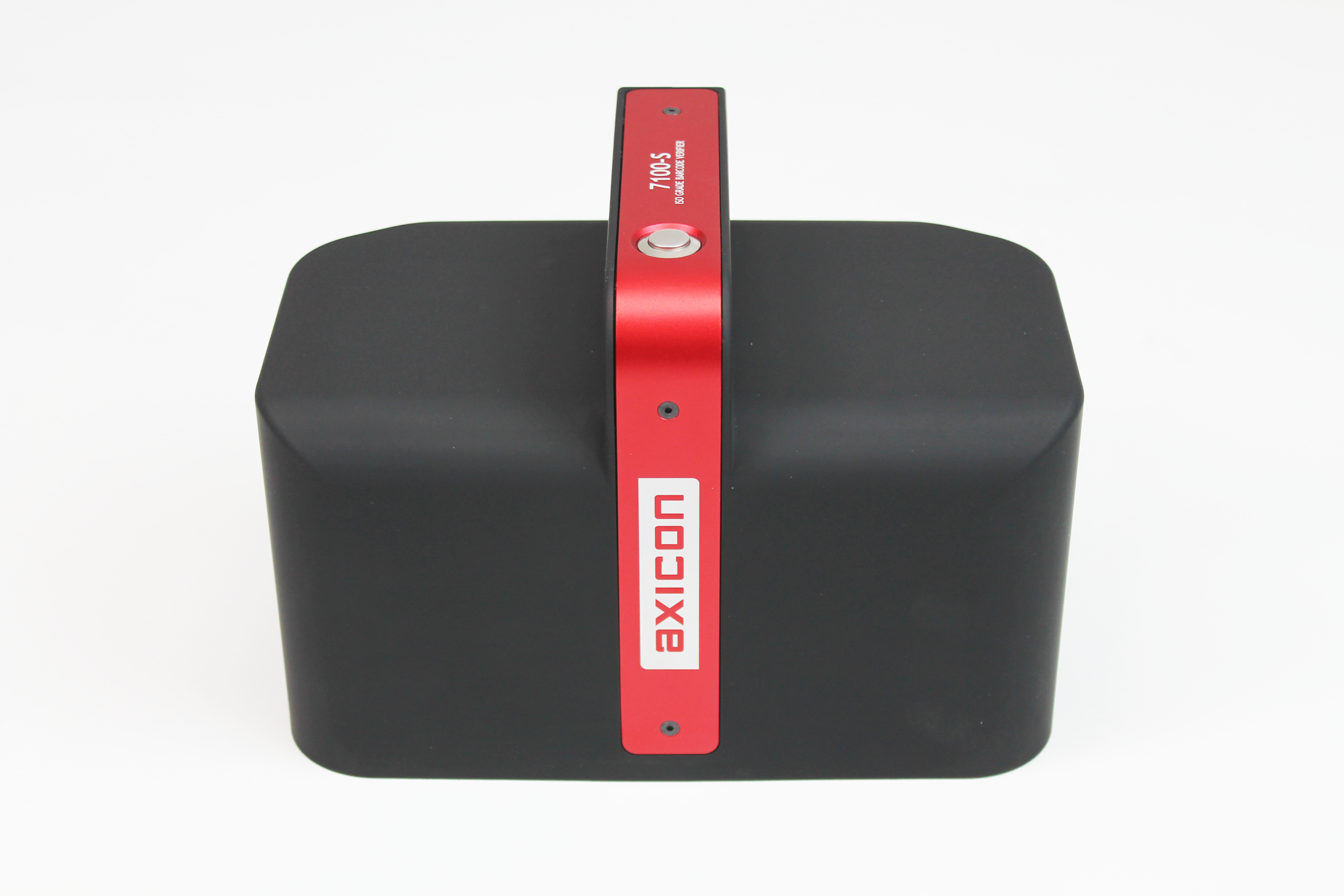
 Measuring the printed image is best done with a low power microscope or magnifier. High quality bar code verifiers such as those from Axicon provide an accurate bar width measurement. It is usually unnecessary to measure all the bars in a printed barcode: they all get treated the same way by the press, unless there are some very unusual adjustments or problems with the press, in which case you have much bigger problems than press gain—and bar width reduction won’t help.
An independent bar code test lab such as Barcode-Test can do the measuring for you, and recommend the right bar width reduction values based on samples you provide.

Contact us for more information.