

 Just back from Label Expo 2022 in Chicago. It was wonderful, reconnecting with barcode testing and verifier clients, many of whom we have worked with for years and yet never met in person. Trade shows demand a lot, but it is really all about relationships, which remind me why I do this–and remind me to be grateful.
Inline Barcode Verification
Quite a few visitors to the stand inquired about inline barcode verification. Many medical device manufacturers and others in healthcare believe that 100% verification is required by the FDA rule. It is not. In fact, UDI does not require or even recommend barcode verification. The GS1 General Specification comes closest to a clear requirement, although it is anything but clear. Implicit maybe. GS1 states that UDI barcodes must be tested for print quality (ISO/IEC). Elsewhere in the document, GS1 specifies data field prefixes (Application Identifiers) and data field structure. But 100% verification as provided by inline systems is not required. Barcode verification is important.
But 100% verification is not an FDA, a UDI or a GS1 requirement. *
That does not mean verification is unnecessary. Verification is risk management. It is just not mandated. Bad barcodes break the supply chain, delay time-sensitive deliveries and put patients at risk. There are consequences and they can be dire.
Belief vs Knowledge
How did 100% verification become a widely held belief? I do not know—if I had to guess, I’d say “sales and marketing.” Standalone, spot-checking verifiers costs a fraction of even a simple inline system. Which would the seller prefer to sell?
What about the buyer, the manufacturer, brand owner, packager, or labeler? Which would they rather buy?
Let’s look at the differences between an inline 100% verifier and an offline, spot-checking verifier:

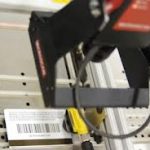 Inline Verifier

- Inline 100% verification systems scan and grade every barcode the scanner sees. Most of these systems are mounted over a moving conveyor. Angle and distance of the scanner from the barcode is variable, and not protected from ambient light. For the verifier to be compliant, these variables must be controlled. If you are a label printer, you know about variables to be controlled: label stock, ink color, viscosity, print speed, bar width (gain). Do you monitor and document each of those variables in real time with every impression?
- An inline verification system must be calibrated. There are several ways of doing that, but the device must be “calibratable”. It must retain calibration for some reasonable time interval: a day, a week, a month. Does the inline verifier come with a calibration procedure? What is the recalibration interval? How are out-of-tolerance attributes reconciled?
- An inline verifier will produce 10,000 verification reports for a print run of 10,000 labels. How do you store those records? If a customer reports a bad barcode, do you look it up in the archive? How easily can you retrieve the verification report for one bad barcode? Then what would you do with it?
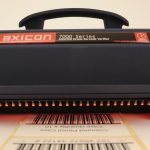 Offline Verifier
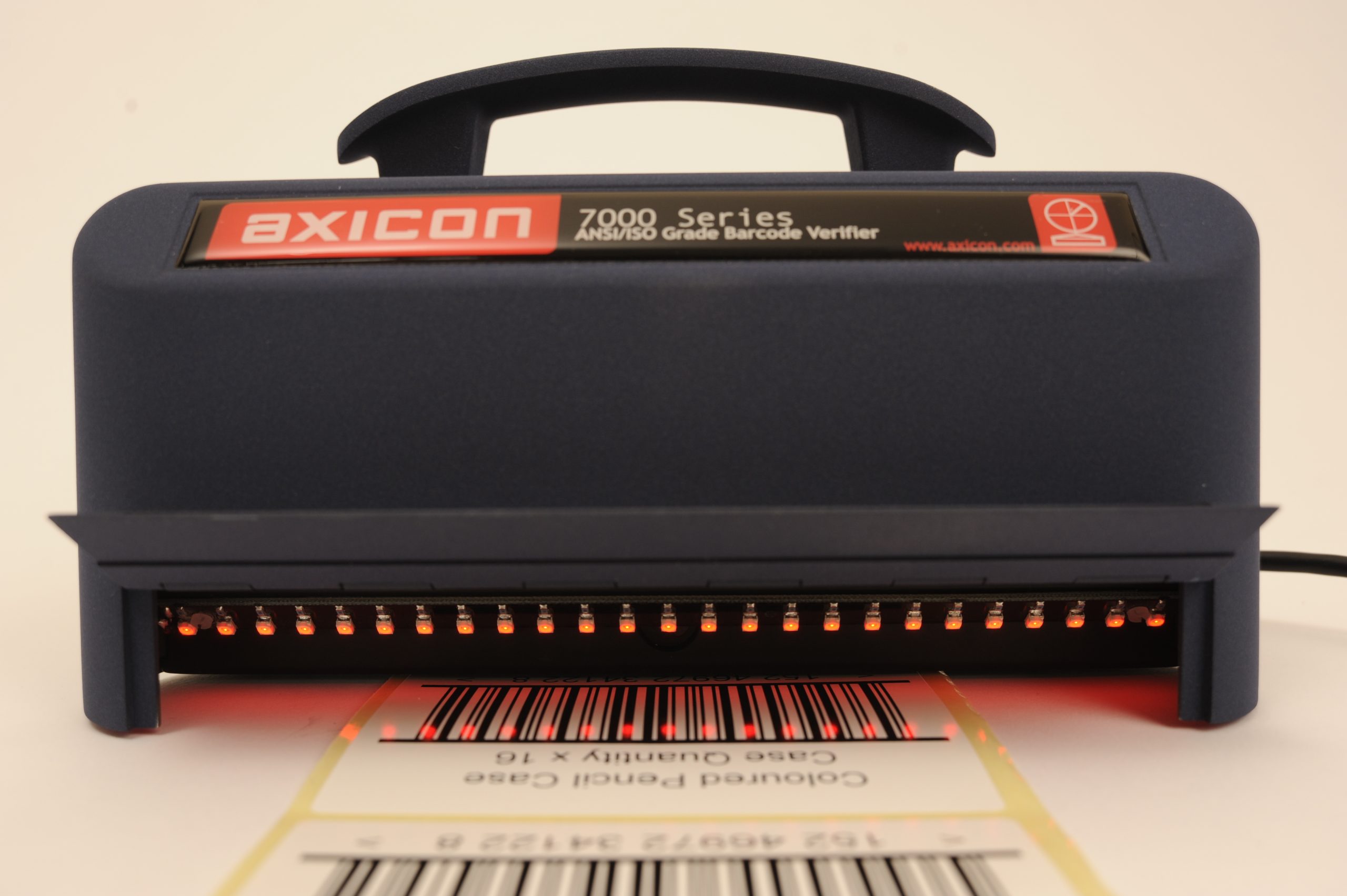
- Based on your print method, quality protocols and experience, you decide to verify the first and last barcodes, and intermediate barcodes at some sensible interval. What variables could cause a single, random barcode to fail? Given the total print run, what is the right number of verification tests to make?
- Calibrating an offline verifier takes about 45 seconds. The verification report shows the date of last calibration.
- Saving verification reports into a spreadsheet, you track gradual changes to the ISO parameters throughout the print run. If an ISO parameter shows gradual deterioration, how soon will it downgrade the ISO score below a C grade?
A final thought. Automated quality checking has a way of becoming “set it and forget it”. The data is being collected but is anyone monitoring it in real time? Does anyone know what to do, quickly and effectively, when a problem is detected? Offline barcode verification, like quality control, is a hands-on operation.
 Comments and questions are welcome. Contact us here.
*The GS1 General Specification requires barcode print quality verification based on the applicable ISO/IEC standard but does not specify 100% verification. The closest GS1 comes to requiring verification is in the barcode tables in section 5.12.3 of the General Specifications, where the minimum acceptable grade is stated. The only way to determine that is to verify.


